
Heart disease prevention involves understanding the factors that affect the heart and blood vessels and adopting habits that support cardiovascular health. Heart disease includes several conditions, such as coronary artery disease, heart rhythm disorders, and diseases affecting the heart muscle or valves. Many cardiovascular conditions develop gradually, sometimes without noticeable symptoms during their early stages.
The cardiovascular system circulates blood throughout the body, delivering oxygen and nutrients to tissues. The heart and blood vessels work together to maintain this circulation. When blood vessels become narrowed or damaged, or when the heart cannot pump blood effectively, serious health problems may develop.
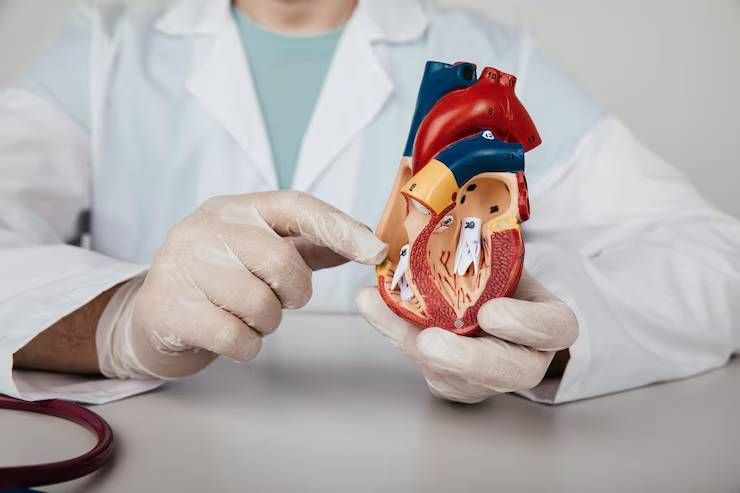
Coronary artery disease is one common form of heart disease. It often develops when fatty deposits accumulate inside the arteries that supply blood to the heart muscle. This process, known as atherosclerosis, can restrict blood flow and contribute to chest pain or a heart attack.
Heart disease prevention focuses on identifying cardiovascular risk factors, maintaining healthy lifestyle habits, recognizing warning signs, and managing existing medical conditions. Although not every heart condition can be prevented, many important risk factors can be reduced through appropriate lifestyle changes and medical care.
Common types of cardiovascular conditions
Several conditions fall under the broader category of cardiovascular disease:
Coronary artery disease: Narrowing of the arteries that supply blood to the heart.
Heart attack: Damage to heart muscle caused by a significant interruption of blood flow.
Heart failure: A condition in which the heart cannot pump or fill with blood effectively enough to meet the body's needs.
Arrhythmia: An abnormal heart rhythm that may cause the heart to beat too quickly, too slowly, or irregularly.
Stroke: Damage to the brain caused by interrupted blood flow or bleeding. Although a stroke affects the brain, it shares several risk factors with heart disease.
Understanding these conditions helps explain why cardiovascular health involves more than monitoring the heart alone. Blood pressure, cholesterol levels, blood sugar, physical activity, and other factors can influence both heart and blood vessel health.
Importance
Heart disease prevention matters because cardiovascular conditions can affect people of different ages and backgrounds. Some risk factors develop over many years, while others are associated with genetics, existing health conditions, or environmental influences. Early attention to these factors can help reduce the likelihood of serious complications.
Cardiovascular health also affects everyday activities, including walking, working, sleeping, and participating in physical exercise. When heart function is impaired, people may experience fatigue, breathlessness, reduced physical capacity, or other symptoms that interfere with daily life.
Major cardiovascular risk factors
Cardiovascular risk factors are characteristics or conditions that increase the likelihood of developing heart disease. Some can be changed, while others cannot.
Modifiable risk factors include:
High blood pressure: Persistent hypertension places additional strain on the heart and can damage blood vessels.
High cholesterol: Elevated levels of low-density lipoprotein (LDL) cholesterol can contribute to plaque formation in arteries.
Tobacco use: Smoking damages blood vessels and increases the risk of heart attack and stroke.
Diabetes: High blood glucose levels can damage blood vessels and increase cardiovascular risk.
Physical inactivity: Limited movement can contribute to high blood pressure, unhealthy cholesterol levels, and weight-related problems.
Unbalanced dietary habits: Diets high in sodium, trans fats, and excessive saturated fats may contribute to cardiovascular risk.
Excessive alcohol consumption: Heavy alcohol use can increase blood pressure and contribute to other heart-related problems.
Poor sleep: Inadequate or disrupted sleep may be associated with hypertension and other cardiovascular risk factors.
Non-modifiable risk factors include age, family history, and certain inherited conditions. These factors do not mean that heart disease is inevitable, but they can influence the level of prevention and monitoring that may be appropriate.
Why early prevention matters
High blood pressure and elevated cholesterol often cause no obvious symptoms. A person may feel healthy while these conditions gradually affect the cardiovascular system. Routine health assessments can help identify problems before noticeable complications occur.
Prevention also involves understanding how different risk factors interact. For example, diabetes combined with smoking and high blood pressure may create a greater cardiovascular risk than any one of these factors alone. Individual risk depends on the overall health picture rather than a single measurement.
Healthy lifestyle habits for heart health
A heart-healthy lifestyle combines regular movement, balanced nutrition, adequate sleep, and avoidance of tobacco. These habits support cardiovascular health and can help manage several risk factors simultaneously.
Balanced nutrition: A varied diet containing vegetables, fruits, whole grains, beans, lentils, nuts, and appropriate protein sources supports heart health. Limiting excess salt, added sugar, and foods high in saturated and trans fats can help manage blood pressure and cholesterol.
Regular physical activity: Walking, cycling, swimming, and other suitable activities support circulation and cardiovascular fitness. Adults are generally advised to aim for at least 150 minutes of moderate-intensity aerobic activity per week, adjusted to their health and physical abilities.
Tobacco avoidance: Smoking and other forms of tobacco use damage blood vessels and increase cardiovascular risk. Avoiding tobacco and seeking appropriate support to stop using it can improve long-term heart health.
Healthy sleep: Consistent, adequate sleep supports blood pressure regulation and metabolic health. Persistent snoring, interrupted breathing during sleep, or excessive daytime sleepiness may warrant medical evaluation.
Stress management: Relaxation techniques, regular physical activity, social connection, and consistent routines can help manage stress. Stress management complements, rather than replaces, the treatment of medical risk factors.
Early warning signs of heart disease
Heart disease does not always produce noticeable symptoms in its early stages. When symptoms occur, they may include chest discomfort, breathlessness, unusual fatigue, dizziness, or reduced tolerance for physical activity.
Possible heart attack warning signs include:
Pressure, squeezing, fullness, or pain in the chest.
Discomfort spreading to one or both arms, the back, neck, jaw, or upper abdomen.
Shortness of breath, sometimes without chest pain.
Cold sweating, nausea, lightheadedness, or sudden unusual weakness.
Symptoms can differ between individuals. Some people, including women, older adults, and people with diabetes, may experience less typical symptoms.
A suspected heart attack is a medical emergency. Contact local emergency medical services immediately rather than waiting for symptoms to disappear or attempting to diagnose the cause at home. In India, the emergency response number is 112.
Sudden facial drooping, weakness in an arm, difficulty speaking, loss of balance, or abrupt vision changes can indicate a stroke. These symptoms also require immediate emergency attention, even if they improve.
Recent Updates
Cardiovascular prevention increasingly emphasizes early detection, individual risk assessment, and long-term management of conditions such as hypertension, diabetes, and high cholesterol. Public health approaches also recognize the influence of diet, physical inactivity, tobacco, air pollution, and access to routine medical assessment.
Developments in heart health strategies during 2024–2026
Digital blood pressure monitors, wearable devices, and electronic health records are becoming more common in cardiovascular monitoring. These tools can help people track selected measurements and share information with healthcare professionals. However, wearable readings cannot reliably rule out a heart attack or replace clinical assessment.
Risk assessment is also receiving continued attention. Healthcare professionals may consider blood pressure, cholesterol, blood glucose, age, smoking status, family history, and existing conditions when evaluating cardiovascular risk. The results help guide decisions about lifestyle changes, further testing, and medication when appropriate.
Another continuing trend is the integration of cardiovascular screening with broader prevention programs for noncommunicable diseases. Detecting hypertension and diabetes through routine assessments can help identify people who may benefit from early management. Public health initiatives also emphasize tobacco control, healthier food environments, physical activity, and awareness of emergency symptoms.
These developments support prevention, but no single device, screening test, or lifestyle habit can identify or eliminate every form of heart disease.
Laws or Policies
Government policies influence heart disease prevention through public health programs, tobacco regulation, food safety measures, and access to screening and treatment. In India, cardiovascular prevention forms part of a broader national effort to address noncommunicable diseases.
Cardiovascular prevention policies in India
The National Programme for Prevention and Control of Non-Communicable Diseases (NP-NCD), previously known as NPCDCS, supports prevention, screening, early diagnosis, and management of conditions including cardiovascular disease, diabetes, and hypertension. Activities include community awareness, risk-factor screening, and follow-up through designated healthcare facilities.
Other relevant measures include:
Tobacco control: The Cigarettes and Other Tobacco Products Act, 2003, regulates smoking in specified public places and establishes requirements concerning tobacco advertising, packaging, and related matters.
Food safety: India's food regulations address food labeling, nutritional information, and specified limits on certain ingredients, helping consumers make informed dietary choices.
Clinical care: Applicable clinical guidelines help healthcare professionals assess cardiovascular risk, diagnose conditions, and determine appropriate management.
Public health awareness: Government health initiatives encourage physical activity, balanced nutrition, tobacco avoidance, and screening for high blood pressure and diabetes.
The exact requirements depend on the relevant legislation, current rules, and individual circumstances. Public health information is useful for general awareness, but it does not replace an individualized medical assessment.
Tools and Resources
Several practical tools can help people understand cardiovascular risk factors and keep track of important health measurements.
Heart health monitoring tools
Blood pressure monitor: A validated upper-arm monitor can help record blood pressure at home. Measurements should be taken using the correct technique, and unusual or persistently elevated readings should be discussed with a healthcare professional.
Cholesterol and blood glucose tests: Laboratory testing can identify risk factors that may not cause obvious symptoms. Testing frequency depends on age, medical history, previous results, and individual risk.
Physical activity trackers: Pedometers, smartwatches, and activity applications can record movement, exercise duration, and selected heart-rate measurements. These devices provide estimates and should not be treated as diagnostic equipment unless specifically validated for the intended purpose.
Cardiovascular risk assessment: Clinicians can use established risk assessment methods to estimate the likelihood of future cardiovascular events. Such assessments consider multiple factors rather than relying on one reading.
Health records and tracking templates: A simple record of blood pressure readings, laboratory results, physical activity, medications, and relevant symptoms can help organize information for medical appointments.
These resources support awareness and monitoring. Decisions about medication, diagnostic tests, or treatment changes should be made with a qualified healthcare professional.
FAQs
What are the main risk factors for heart disease?
Major risk factors include high blood pressure, elevated cholesterol, diabetes, tobacco use, physical inactivity, and an unbalanced diet. Age, family history, and certain inherited conditions also influence cardiovascular risk.
How can heart disease be prevented naturally?
Healthy eating, regular physical activity, tobacco avoidance, adequate sleep, and appropriate stress management can help reduce cardiovascular risk. Some people also need prescribed medication to manage blood pressure, cholesterol, or diabetes.
What are the early warning signs of heart disease?
Possible symptoms include chest discomfort, breathlessness, unusual fatigue, dizziness, and reduced exercise tolerance. Some people have no symptoms until a serious event occurs. Sudden or severe symptoms require urgent medical assessment.
How often should blood pressure and cholesterol be checked?
The appropriate frequency depends on age, previous readings, family history, and other health conditions. Regular screening is particularly important for people with established risk factors or previously abnormal results.
Can young adults develop heart disease?
Yes. Heart disease can affect younger adults, particularly when risk factors such as inherited cholesterol disorders, tobacco use, hypertension, diabetes, or certain congenital conditions are present. Healthy habits and appropriate screening can help address risk early.
Conclusion
Heart disease prevention focuses on managing cardiovascular risk factors, maintaining healthy daily habits, and recognizing warning signs early. Regular monitoring of blood pressure, cholesterol, and blood glucose can help identify conditions that require attention. Public health programs and clinical guidelines support prevention and management across different stages of life. Individual risk varies, and medical assessment remains important for appropriate screening and treatment.