Non-Destructive Testing (NDT) is a group of inspection techniques used to evaluate the condition, quality, and integrity of materials, components, and structures without causing permanent damage. Industries use NDT testing to detect defects, verify manufacturing quality, and monitor equipment throughout its operational life. Because the inspected object remains intact after testing, NDT has become an important part of quality assurance, maintenance planning, and industrial safety.
Modern NDT testing combines traditional inspection methods with digital technologies, automated equipment, and advanced data analysis. From manufacturing plants and construction projects to aerospace, energy, transportation, and oil and gas facilities, non-destructive testing supports reliable inspection while helping organizations evaluate equipment performance without dismantling or damaging valuable assets.
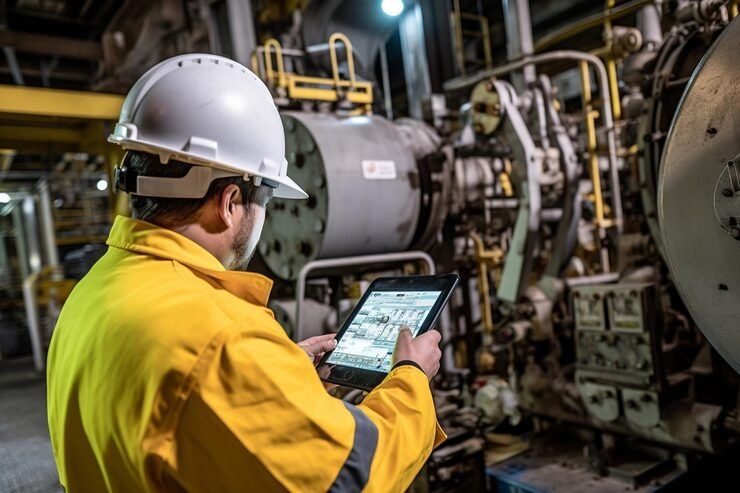
As industrial systems become more complex, inspection technologies continue to evolve through automation, artificial intelligence, robotics, and digital reporting. These developments improve the accuracy and efficiency of inspections while supporting regulatory compliance and equipment management.
Context
What Is Non-Destructive Testing?
Non-Destructive Testing is a collection of inspection methods used to examine materials, welds, machinery, pipelines, pressure vessels, and structural components without affecting their future use. Unlike destructive testing, where a sample is intentionally damaged to evaluate its properties, NDT allows the inspected item to remain in operation after examination.
The primary objectives of NDT include:
- Detecting cracks and defects
- Evaluating material condition
- Verifying manufacturing quality
- Supporting maintenance planning
- Monitoring structural integrity
- Improving equipment reliability
These inspections help engineers understand component condition throughout manufacturing and operational life cycles.
Common NDT Testing Methods
Different inspection methods are selected depending on the material, component design, and inspection objective.
| NDT Method | Inspection Purpose | Common Applications |
|---|---|---|
| Visual Testing (VT) | Surface examination | General inspections |
| Ultrasonic Testing (UT) | Internal defect detection | Welds, forgings, pipelines |
| Radiographic Testing (RT) | Internal imaging | Pressure vessels, castings |
| Magnetic Particle Testing (MT) | Surface crack detection | Ferromagnetic materials |
| Liquid Penetrant Testing (PT) | Surface flaw detection | Metals and non-porous materials |
| Eddy Current Testing (ET) | Surface and near-surface inspection | Tubes, aircraft components |
Each method provides different information, and multiple techniques may be used together during a complete inspection.
Equipment Used in NDT
Inspection professionals use specialized equipment according to the selected testing method.
Common equipment includes:
- Ultrasonic flaw detectors
- Digital radiography systems
- Magnetic particle inspection units
- Penetrant testing materials
- Eddy current instruments
- Thickness gauges
- Borescopes
- Digital inspection cameras
Many modern systems also include software for recording inspection results and generating reports.
Importance
Why NDT Testing Matters
Industrial equipment operates under demanding conditions involving pressure, temperature, vibration, and mechanical stress. Small defects that remain undetected may develop into larger problems over time.
NDT testing helps organizations evaluate equipment condition before defects become more significant. This supports planned maintenance, quality control, and equipment monitoring without damaging valuable assets.
Supporting Manufacturing Quality
Manufacturing industries use non-destructive testing during production to verify that components meet engineering specifications.
NDT inspections may examine:
- Weld quality
- Castings
- Forged components
- Machined parts
- Structural assemblies
- Composite materials
Quality inspections help identify manufacturing defects before products move to the next production stage.
Maintenance and Asset Management
NDT plays an important role throughout equipment life cycles. Rather than inspecting equipment only after failures occur, organizations perform scheduled inspections to understand changing equipment conditions.
Benefits include:
- Improved maintenance planning
- Better equipment monitoring
- Reduced unexpected downtime
- Longer equipment operational life
- More accurate condition assessment
Industrial Applications
Non-destructive testing is widely used across many industries, including:
- Oil and gas
- Power generation
- Aerospace
- Automotive manufacturing
- Railway infrastructure
- Construction
- Shipbuilding
- Chemical processing
- Mining
- Renewable energy
Although inspection methods differ between industries, the objective remains the same: evaluate equipment safely without causing damage.
Recent Updates
Digital Inspection Technologies
Between 2024 and 2026, digital inspection technologies have continued expanding across industrial sectors. Digital radiography, automated ultrasonic systems, and cloud-based reporting platforms are replacing many paper-based inspection processes.
Digital records improve traceability while supporting long-term equipment monitoring.
Artificial Intelligence in Inspection
Artificial intelligence is increasingly being used to assist inspectors by analyzing inspection images, ultrasonic signals, and radiographic data. AI-based systems can identify patterns that may require additional review.
These systems support inspection professionals rather than replacing human expertise.
Robotics for Hazardous Environments
Robotic inspection equipment is becoming more common in environments that are difficult or hazardous for direct human access.
Examples include:
- Storage tanks
- Pipelines
- Offshore facilities
- Nuclear installations
- High-temperature equipment
Robotics help perform inspections while reducing direct exposure to challenging environments.
Remote Inspection Technologies
Remote inspection systems allow experts to review inspection information from different locations using secure digital communication platforms.
These systems support:
- Image sharing
- Inspection reporting
- Equipment monitoring
- Technical collaboration
Improved Data Management
Inspection software increasingly integrates with industrial asset management systems. Inspection history, maintenance records, and equipment information can now be stored within centralized digital platforms for easier analysis.
Laws or Policies
Industry Standards
NDT testing follows internationally recognized standards developed by engineering and technical organizations. These standards help maintain consistent inspection procedures, reporting practices, and equipment calibration.
Examples include standards published by:
- ISO
- ASME
- ASTM
- API
- AWS
The specific standard depends on the industry and inspection application.
Personnel Qualification
Many industries require NDT personnel to complete recognized qualification and certification programs before performing inspections independently.
Qualification systems generally evaluate:
- Technical knowledge
- Practical inspection skills
- Examination performance
- Experience requirements
Certification requirements differ between countries and industries.
Equipment Calibration
Inspection equipment requires periodic calibration to maintain measurement accuracy. Calibration procedures help verify that instruments continue producing reliable inspection results.
Organizations typically maintain calibration records according to applicable quality standards.
Workplace Safety Regulations
NDT inspections must follow workplace safety requirements, especially when inspections involve radiation, elevated work areas, confined spaces, or industrial machinery.
Safety procedures often include:
- Personal protective equipment
- Radiation safety measures
- Hazard assessments
- Equipment operating procedures
Tools and Resources
Inspection Management Software
Inspection management platforms organize inspection schedules, reports, equipment records, and maintenance history.
These systems commonly include:
- Digital inspection reports
- Equipment databases
- Inspection scheduling
- Documentation management
- Historical record tracking
Digital Imaging Systems
Modern radiographic inspection uses digital imaging technology to capture and analyze inspection images more efficiently than traditional film-based methods.
Digital systems also simplify report storage and image comparison.
Ultrasonic Analysis Software
Ultrasonic inspection software helps inspectors interpret wave signals, identify indications, and document inspection findings using graphical displays and measurement tools.
Engineering Standards Resources
Inspection professionals regularly use technical resources from engineering organizations, industry associations, and standards bodies to understand inspection requirements and accepted practices.
Training Resources
Educational resources supporting NDT include:
- Technical manuals
- Industry publications
- Engineering textbooks
- Standards documentation
- Laboratory training materials
- Equipment operating guides
FAQs
What is NDT testing?
NDT testing, or Non-Destructive Testing, is a group of inspection methods used to evaluate materials and equipment without causing permanent damage.
What are the main non-destructive testing methods?
Common methods include visual testing, ultrasonic testing, radiographic testing, magnetic particle testing, liquid penetrant testing, and eddy current testing.
Where is NDT testing used?
NDT testing is used in industries such as manufacturing, aerospace, oil and gas, construction, power generation, transportation, mining, and renewable energy.
Why is non-destructive testing important?
Non-destructive testing helps detect defects, verify manufacturing quality, support maintenance planning, and monitor equipment condition while allowing inspected components to remain in use.
What equipment is commonly used for NDT inspections?
Inspection equipment includes ultrasonic flaw detectors, digital radiography systems, magnetic particle inspection units, eddy current instruments, borescopes, thickness gauges, and digital inspection software.
Conclusion
Non-Destructive Testing plays an essential role in modern industry by allowing engineers and inspectors to evaluate materials and equipment without causing damage. A combination of inspection methods, digital technologies, automated equipment, and qualified personnel supports quality assurance throughout manufacturing and maintenance activities. As inspection technologies continue to evolve through artificial intelligence, robotics, and digital data management, NDT remains an important part of industrial safety, equipment reliability, and long-term asset management.