
Sunscreen is a skincare product designed to help protect the skin from ultraviolet (UV) radiation produced by the sun. Modern sunscreen formulations use carefully selected UV filters, moisturizing ingredients, antioxidants, emulsifiers, and stabilizers to reduce the effects of ultraviolet exposure on the skin. Today, sunscreen is widely used during outdoor activities, daily commuting, sports, travel, and occupational exposure to sunlight.
Advances in UV protection technologies have improved sunscreen performance through enhanced photostability, lightweight textures, water-resistant formulations, and broader protection against both UVA and UVB rays. Manufacturers around the world continue to develop new SPF formulations that comply with cosmetic regulations and quality standards while meeting the needs of different skin types and climates.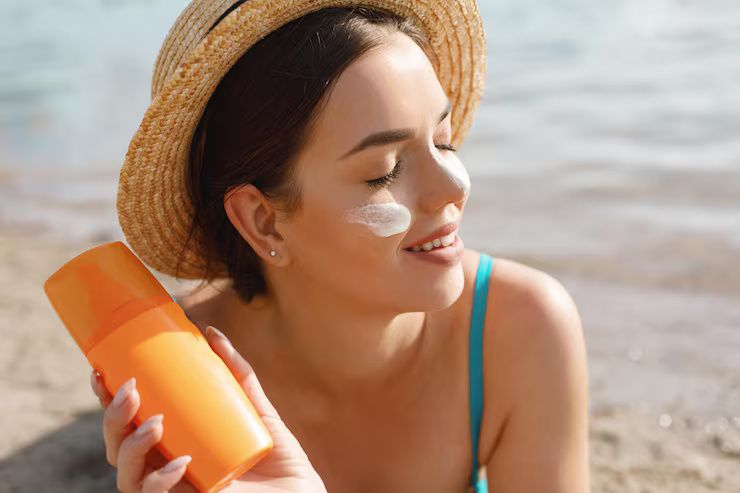
Context
What Is Sunscreen?
Sunscreen is a topical skincare product formulated to help reduce skin exposure to ultraviolet radiation. It creates a protective layer on the skin using ingredients that either absorb or reflect UV rays before they reach deeper skin layers.
Sunscreens are available in several product forms, including:
- Creams
- Lotions
- Gels
- Sprays
- Sticks
- Fluids
- Mineral formulations
- Hybrid formulations
The choice of formulation often depends on skin type, activity level, climate, and personal preference.
Understanding UV Radiation
Ultraviolet radiation consists primarily of three categories.
- UVA Rays: Penetrate deeper into the skin and contribute to premature skin aging.
- UVB Rays: Primarily affect the outer skin layers and are associated with sunburn.
- UVC Rays: Mostly absorbed by Earth's atmosphere and normally do not reach the surface.
Broad-spectrum sunscreen is formulated to help protect against both UVA and UVB radiation.
What Does SPF Mean?
SPF stands for Sun Protection Factor. It measures how effectively a sunscreen helps protect the skin from UVB radiation when used correctly.
| SPF Rating | General UVB Protection Level | Common Use |
|---|---|---|
| SPF 15 | Moderate protection | Short outdoor exposure |
| SPF 30 | Higher protection | Daily outdoor activities |
| SPF 50 | High protection | Extended outdoor activities |
| SPF 50+ | Very high labeled category | Intense sunlight exposure |
SPF measures protection against UVB rays and should be considered together with broad-spectrum protection.
Main Ingredients in Sunscreen
Modern sunscreen formulations may contain:
- UV filters
- Moisturizing agents
- Emulsifiers
- Stabilizers
- Antioxidants
- Preservatives
- Film-forming ingredients
- Skin-conditioning agents
Individual formulations vary depending on product design and regulatory requirements.
Importance
Why Sunscreen Matters
Sunlight is essential for everyday life, but prolonged exposure to ultraviolet radiation can affect the skin. Sunscreen helps reduce direct UV exposure during outdoor activities and is commonly included in daily skincare routines.
People of different ages and skin types use sunscreen in various environments throughout the year.
Common Skincare Applications
Sunscreen is commonly used during:
- Outdoor recreation
- Sports activities
- Beach visits
- Hiking
- Daily commuting
- Gardening
- Construction work
- Travel
The appropriate application depends on the duration and intensity of sun exposure.
Manufacturing Processes
Sunscreen manufacturing combines cosmetic science with controlled production methods.
Typical manufacturing stages include:
- Raw material inspection
- Ingredient measurement
- Mixing and emulsification
- Temperature-controlled processing
- Homogenization
- Stability testing
- Microbiological testing
- Filling and packaging
- Quality inspection
Manufacturing facilities operate under cosmetic quality management systems to maintain product consistency.
Global Brands and Industry
The sunscreen industry includes manufacturers operating across North America, Europe, Asia-Pacific, Latin America, the Middle East, and Africa. Global brands develop products for different climates, skin types, age groups, and regional regulations.
Many manufacturers also conduct compatibility, stability, and safety evaluations before introducing new formulations into the market.
Advantages of Modern UV Protection Technologies
Modern sunscreen technologies provide several practical features.
These include:
- Broad-spectrum protection
- Improved photostability
- Lightweight formulations
- Water-resistant options
- Enhanced skin compatibility
- Easier application
Product performance depends on correct application, adequate quantity, and reapplication according to product instructions.
Recent Updates
Improved UV Filters
Between 2024 and 2026, manufacturers continued developing improved UV filter combinations designed to increase photostability and provide balanced UVA and UVB protection while maintaining pleasant cosmetic textures.
Mineral and Hybrid Formulations
Mineral-based and hybrid sunscreen formulations have continued to expand across skincare markets. These products combine different UV protection approaches to suit varying skin preferences and application needs.
Sustainable Packaging
Many manufacturers have introduced packaging initiatives focused on:
- Recyclable materials
- Reduced plastic usage
- Refillable containers
- Lightweight packaging
- Improved manufacturing efficiency
These developments support broader environmental objectives.
Digital Skin Analysis
Some skincare platforms now use digital analysis tools to help individuals understand skin characteristics and sun exposure patterns. These technologies are informational and do not replace professional medical evaluation.
Multifunctional Skincare Products
Many modern skincare formulations combine sunscreen with moisturizing ingredients, antioxidants, and cosmetic features, allowing several skincare functions within a single product.
Laws or Policies
Cosmetic Regulations
Sunscreen products are regulated under cosmetic or over-the-counter healthcare regulations depending on the country. Regulatory authorities establish requirements covering ingredient safety, product labeling, manufacturing practices, and quality standards.
Requirements vary across different regions.
Product Labeling
Sunscreen labels generally include information such as:
- SPF value
- Broad-spectrum indication where applicable
- Water-resistance information
- Ingredient list
- Directions for use
- Storage recommendations
Labeling helps consumers understand product characteristics.
Manufacturing Quality Standards
Manufacturers commonly follow internationally recognized quality systems covering:
- Raw material control
- Production processes
- Product testing
- Documentation
- Batch traceability
- Quality verification
These practices support consistent manufacturing.
Consumer Safety Requirements
Cosmetic regulations often require safety assessments, stability evaluations, microbiological testing, and packaging compatibility studies before products enter commercial distribution.
Tools and Resources
UV Index Applications
Weather applications often include UV Index forecasts that help users understand expected ultraviolet radiation levels during the day.
Sunscreen Calculators
Some skincare platforms provide informational calculators that estimate sunscreen quantity based on body coverage and planned outdoor activities.
Ingredient Databases
Cosmetic ingredient databases explain the functions of commonly used sunscreen ingredients, preservatives, moisturizers, and stabilizers.
Educational Resources
People interested in sunscreen and skincare often learn from:
- Dermatology organizations
- Public health agencies
- Cosmetic science associations
- International standards organizations
- Scientific journals
- Skincare education platforms
These resources explain UV protection technologies, SPF formulations, skincare practices, and cosmetic manufacturing.
FAQs
What is sunscreen used for?
Sunscreen is used to help reduce skin exposure to ultraviolet radiation during outdoor activities by providing protection against UVA and UVB rays.
What does SPF mean in sunscreen?
SPF, or Sun Protection Factor, indicates the level of protection a sunscreen provides against UVB radiation when applied correctly.
What is the difference between mineral and chemical sunscreen?
Mineral sunscreen primarily uses mineral UV filters such as zinc oxide or titanium dioxide, while chemical sunscreen uses organic UV filters that absorb ultraviolet energy. Hybrid formulations combine both approaches.
How are sunscreen formulations manufactured?
Sunscreen manufacturing includes ingredient selection, emulsification, mixing, quality testing, stability evaluation, filling, packaging, and quality inspection under controlled production conditions.
Why is broad-spectrum sunscreen important?
Broad-spectrum sunscreen is formulated to help protect against both UVA and UVB radiation, providing more comprehensive UV protection than products that address only one type of ultraviolet ray.
Conclusion
Sunscreen is an important part of modern skincare, combining UV protection technologies, SPF formulations, and carefully controlled manufacturing processes to help reduce skin exposure to ultraviolet radiation. Advances in formulation science, ingredient technology, and product testing continue to improve sunscreen performance and usability. As skincare research progresses, sunscreen remains a widely used product across everyday activities, recreation, travel, and occupational environments.