
Electrical and energy applications refer to the technologies, equipment, and systems used to generate, transmit, distribute, store, and consume electrical power. These applications support everyday activities as well as industrial operations, commercial buildings, transportation networks, telecommunications, and public infrastructure.
The development of electrical engineering began with discoveries involving electricity and electromagnetism. Over time, generators, transformers, electric motors, power distribution networks, and electronic control systems made large-scale electricity use possible. Modern electrical and energy technologies now include renewable energy systems, battery storage, smart grids, power electronics, and automated energy management platforms.
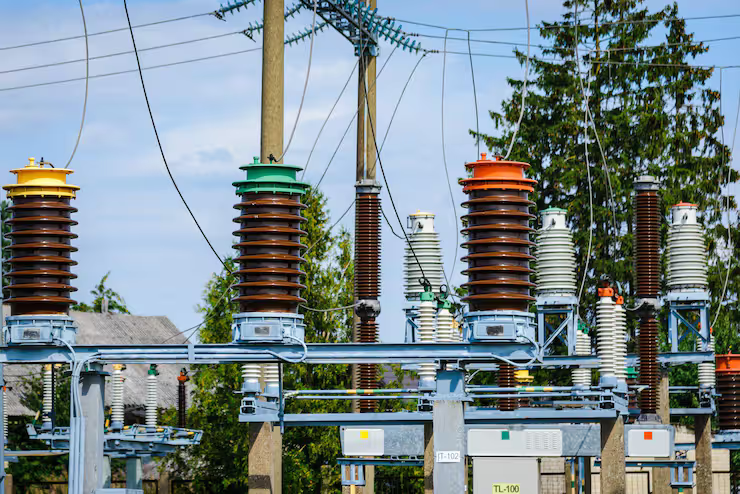
Today, electrical and energy applications are essential to manufacturing, construction, healthcare, agriculture, transportation, and digital infrastructure. They help operate industrial machinery, power buildings, support electric vehicles, and integrate renewable energy into electricity networks.
Why Electrical and Energy Applications Matter Today
Electricity is a fundamental requirement for modern economic and industrial activities. Manufacturing facilities depend on reliable electrical systems to operate production equipment, while commercial buildings use electrical infrastructure for lighting, cooling, communication, and security.
Energy technologies also address important challenges involving electricity demand, energy efficiency, environmental impact, and power supply reliability.
Major areas of importance include:
Industrial Manufacturing: Electrical motors, drives, control panels, and automation systems operate production machinery.
Commercial Buildings: Electrical distribution, lighting, HVAC systems, and backup power support building operations.
Renewable Energy: Solar, wind, and hydropower technologies contribute to electricity generation.
Transportation: Electric vehicle motors, charging stations, and battery systems support transportation electrification.
Healthcare: Electrical infrastructure supports medical equipment, diagnostic systems, and essential facility operations.
Telecommunications: Power supplies, batteries, and backup systems maintain communication infrastructure.
The increasing use of digital equipment, automated production systems, and electric transportation has also increased the importance of efficient electrical infrastructure.
Major Types of Electrical and Energy Applications
Electrical and energy systems cover several technical areas, each serving different purposes in modern infrastructure.
Electrical Power Generation
Power generation involves converting different forms of energy into electricity. Conventional power plants use sources such as coal, natural gas, and nuclear energy, while renewable systems use sunlight, wind, flowing water, and other renewable resources.
Common generation technologies include:
Solar photovoltaic (PV) systems.
Wind turbines.
Hydroelectric power plants.
Thermal power stations.
Nuclear power plants.
Biomass-based electricity generation.
Each technology has different operating requirements, environmental considerations, and grid integration characteristics.
Power Transmission and Distribution
Electricity generated at power stations must travel through transmission and distribution networks before reaching consumers.
Transmission systems use high-voltage lines and substations to transport electricity over long distances. Distribution networks deliver power to homes, businesses, and industrial facilities.
Important electrical equipment includes transformers, switchgear, circuit breakers, power cables, insulators, protection relays, and distribution panels.
Industrial Electrical Systems
Industrial electrical systems provide power and control for manufacturing equipment, processing plants, and automated production facilities.
Common components include:
Electric motors and motor control systems.
Variable frequency drives (VFDs).
Programmable logic controllers (PLCs).
Industrial switchgear and control panels.
Electrical sensors and monitoring devices.
Power distribution and protection equipment.
These components support machinery operation, process control, and industrial automation.
Renewable Energy and Energy Storage
Renewable energy applications involve generating electricity from naturally replenished sources. Energy storage technologies help balance electricity supply and demand by storing energy for later use.
Common storage technologies include lithium-ion batteries, lead-acid batteries, flow batteries, and pumped hydro storage.
Battery energy storage systems (BESS) are increasingly used alongside solar and wind installations, commercial facilities, and electricity networks.
Advanced Technologies in Electrical and Energy Systems
Modern electrical infrastructure increasingly combines traditional engineering equipment with digital monitoring, automation, and intelligent control systems.
Smart Grid Technology
Smart grids use digital communication, sensors, automation, and advanced control systems to monitor and manage electricity networks.
They help utilities observe network conditions, identify certain faults, manage distributed energy resources, and coordinate electricity distribution.
Power Electronics
Power electronics involves controlling and converting electrical power using electronic components and circuits.
Applications include solar inverters, battery management systems, electric vehicle chargers, industrial motor drives, and uninterruptible power supplies (UPS).
Artificial Intelligence and Energy Management
Artificial intelligence and machine learning are increasingly used to analyze electricity consumption, forecast energy demand, and identify equipment abnormalities.
Common applications include:
Electricity demand forecasting.
Predictive maintenance of electrical equipment.
Renewable energy generation forecasting.
Building energy optimization.
Grid monitoring and fault analysis.
Industrial Internet of Things (IIoT)
IIoT connects electrical equipment, sensors, meters, and industrial control systems through communication networks.
Connected systems collect information about energy consumption, voltage, current, temperature, and equipment operating conditions. This information helps engineers monitor electrical performance and investigate operational issues.
Microgrids and Distributed Energy Systems
Microgrids are localized electricity networks that connect generation sources, energy storage, and electrical loads. They can operate alongside the main electricity grid and, where appropriately designed, independently during certain grid interruptions.
They are used in industrial facilities, campuses, hospitals, remote communities, and other locations with specific energy reliability requirements.
Industrial Applications of Electrical and Energy Technologies
Electrical and energy technologies are used across multiple industries to support production, equipment operation, infrastructure, and energy management.
Manufacturing and Industrial Automation
Manufacturing facilities use electrical systems to operate conveyor belts, industrial robots, compressors, pumps, machine tools, and automated assembly lines.
Variable frequency drives regulate motor speed, while PLCs coordinate machine operations. Industrial energy monitoring systems help identify electricity consumption across different production processes.
Automotive and Electric Vehicle Industry
The automotive industry uses electrical technologies in electric motors, battery packs, charging infrastructure, power conversion systems, and vehicle control units.
Electric vehicle charging stations use power electronics to convert and regulate electricity according to vehicle and charging requirements. Battery management systems monitor battery conditions and support safe operation.
Commercial Buildings and Infrastructure
Commercial buildings depend on electrical distribution systems, lighting controls, elevators, ventilation, and air conditioning.
Building management systems (BMS) integrate different electrical and mechanical systems to monitor building operations and manage energy consumption.
Oil, Gas and Chemical Industries
Oil, gas, and chemical facilities use electrical equipment for pumping, compression, process heating, instrumentation, and automated control.
These environments require appropriately selected electrical equipment, protection systems, and safety procedures because operating conditions can involve heat, pressure, flammable materials, or hazardous locations.
Agriculture and Water Management
Electrical applications support irrigation pumps, water treatment facilities, agricultural processing equipment, and greenhouse control systems.
Solar-powered irrigation systems and automated pumping arrangements are also used in agricultural applications, depending on local energy infrastructure.
Global Electrical and Energy Equipment Manufacturers
The global electrical and energy industry includes manufacturers of power equipment, automation systems, renewable energy technologies, industrial components, and electrical infrastructure.
Some internationally recognized companies include:
Siemens: Develops electrical equipment, industrial automation systems, power distribution technologies, and digital infrastructure.
ABB: Manufactures electrification products, motors, drives, robotics, and industrial automation equipment.
Schneider Electric: Provides electrical distribution, energy management, industrial automation, and building control technologies.
General Electric Vernova: Develops power generation, grid, and energy technologies.
Eaton: Manufactures electrical protection, power distribution, and energy management equipment.
Hitachi Energy: Develops transformers, high-voltage equipment, grid technologies, and power system solutions.
Mitsubishi Electric: Produces electrical equipment, industrial automation products, power electronics, and control systems.
Danfoss: Develops power electronics, industrial drives, and energy-efficient technologies.
The supply chain also includes manufacturers of electrical cables, circuit breakers, transformers, solar panels, inverters, batteries, generators, and industrial control equipment.
Electrical and Energy Applications in India
India's electrical and energy sector is developing through investments in power generation, transmission infrastructure, renewable energy, electrification, and domestic equipment manufacturing.
Government initiatives and infrastructure projects support the expansion of electricity networks and clean energy technologies.
Important initiatives include:
National Solar Mission: Supports solar energy development and the expansion of solar power generation.
PM Surya Ghar: Muft Bijli Yojana: Supports residential rooftop solar installations through an approved government framework.
National Green Hydrogen Mission: Promotes the development of green hydrogen production, infrastructure, and related technologies.
Revamped Distribution Sector Scheme (RDSS): Focuses on improving the operational and financial performance of electricity distribution companies.
Production Linked Incentive (PLI) Scheme: Supports domestic manufacturing in selected sectors, including high-efficiency solar photovoltaic modules.
India's electricity infrastructure also operates under the Electricity Act, 2003, with regulatory oversight involving the Ministry of Power, Central Electricity Authority (CEA), Central Electricity Regulatory Commission (CERC), and relevant state regulators.
These frameworks cover electricity generation, transmission, distribution, renewable energy integration, and market operations.
Recent Developments in Electrical and Energy Applications, 2024–2026
Electrical and energy technologies are experiencing changes driven by renewable energy expansion, electrification, digital infrastructure, and growing electricity demand.
Renewable Energy Expansion: Solar and wind installations continue to increase, creating additional requirements for transmission infrastructure, grid flexibility, and energy storage.
Battery Energy Storage: Battery storage systems are receiving greater attention for managing variable renewable generation and supporting electricity network operations.
Smart Grid Development: Utilities are adopting digital meters, automated substations, and grid monitoring technologies to improve network visibility.
Electric Vehicle Infrastructure: Charging networks, power converters, and battery technologies are developing alongside electric vehicle adoption.
AI-Based Energy Management: AI applications are being explored for electricity forecasting, grid monitoring, fault identification, and energy optimization.
Data Centre Power Infrastructure: Growing digital infrastructure is increasing attention on reliable power supplies, backup systems, transformers, cooling systems, and grid connections.
The International Energy Agency's 2026 India Renewable Energy Market Report highlights the importance of transmission expansion, storage development, and improved grid flexibility as renewable electricity generation grows.
Useful Tools and Platforms for Electrical and Energy Applications
Engineers, electrical contractors, facility managers, and energy professionals use specialized software and online platforms to design, monitor, and manage electrical systems.
Some commonly used tools include:
MATLAB and Simulink: Used for electrical system modelling, power electronics simulation, and energy system analysis.
ETAP: Used for power system studies, electrical network design, load flow analysis, and protection coordination.
AutoCAD Electrical: Supports electrical control design, wiring diagrams, and engineering documentation.
DIgSILENT PowerFactory: Used for power system modelling, grid analysis, and electrical network planning.
HOMER Pro: Supports the modelling and analysis of hybrid renewable energy and microgrid systems.
Energy Management Systems (EMS): Monitor electricity consumption, energy distribution, and system performance.
SCADA Platforms: Provide supervisory monitoring and control of industrial and electrical infrastructure.
These platforms support different engineering activities, from electrical circuit design to large-scale power network analysis.
Frequently Asked Questions About Electrical and Energy Applications
1. What are electrical and energy applications?
Electrical and energy applications involve technologies used for electricity generation, transmission, distribution, storage, and consumption. Examples include transformers, electric motors, solar panels, batteries, and industrial automation systems.
2. What are the major applications of electrical engineering in industry?
Electrical engineering applications include industrial motor control, power distribution, automation, electrical protection, renewable energy integration, machine operation, and energy monitoring.
3. Which technologies are used in renewable energy systems?
Common technologies include solar photovoltaic panels, wind turbines, inverters, battery storage systems, power converters, and smart grid equipment.
4. What is the role of smart grid technology in energy management?
Smart grids use digital monitoring, communication networks, and automated control systems to manage electricity distribution, identify network problems, and integrate renewable energy sources.
5. Who are the major global electrical equipment manufacturers?
Recognized manufacturers include Siemens, ABB, Schneider Electric, Eaton, Hitachi Energy, Mitsubishi Electric, General Electric Vernova, and Danfoss.
Conclusion
Electrical and energy applications support modern infrastructure through power generation, transmission, distribution, storage, and industrial electrification. Technologies such as renewable energy systems, smart grids, battery storage, power electronics, and industrial automation are changing how electricity is produced and consumed. Global manufacturers continue to develop equipment and digital systems for industrial, commercial, and residential applications. Grid modernization, energy efficiency, equipment safety, and reliable electricity infrastructure remain important priorities for the sector.