
Skin treatments include a wide range of dermatological procedures, cosmetic technologies, topical products, and professional skincare approaches designed to address different skin concerns. Common treatment categories include acne management, pigmentation correction, chemical peels, laser procedures, microneedling, skin rejuvenation, anti-aging treatments, and hydration therapies. These options are available through dermatology clinics, aesthetic centres, and specialized skincare providers.
Advancements in dermatology and cosmetic technology have expanded the range of treatments used to manage concerns such as uneven skin tone, fine lines, acne scars, enlarged pores, dryness, and changes in skin texture. Modern procedures may use laser energy, controlled exfoliation, radiofrequency, ultrasound, light-based devices, or specialized topical formulations. The suitability of each approach depends on skin type, individual concerns, treatment objectives, and professional assessment.
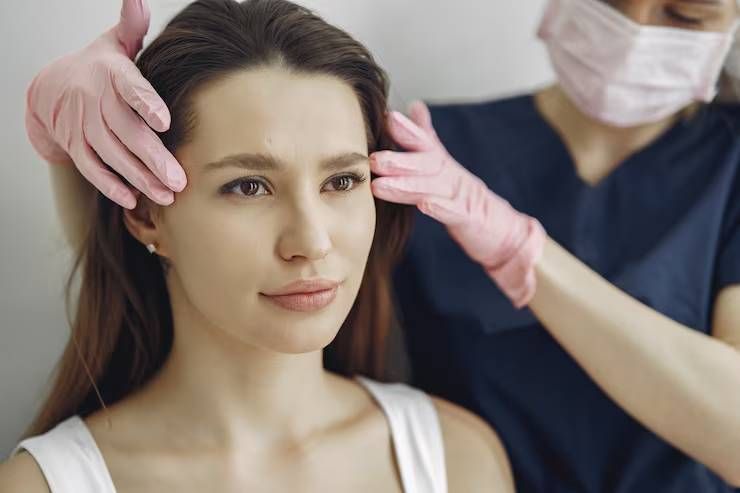
Understanding the different skin treatment categories, their applications, technologies, expected outcomes, and limitations can help individuals make informed decisions about skincare. This guide explores popular dermatological procedures, professional treatment technologies, cosmetic products, treatment providers, industry developments, and important considerations when evaluating skincare options.
Understanding Skin Treatments and Dermatological Procedures
Skin treatments are procedures and skincare approaches used to maintain skin health, manage dermatological conditions, or address cosmetic concerns. They can range from daily topical skincare routines to clinical procedures performed by qualified dermatologists and trained medical professionals.
The skin consists of several layers, including the epidermis, dermis, and subcutaneous tissue. Different treatments target different structures. For example, exfoliating products primarily influence the outer skin layer, while certain laser and radiofrequency procedures are designed to affect deeper tissues.
Dermatological treatments are generally divided into two broad categories:
Medical skin treatments: Used to manage conditions such as acne, eczema, rosacea, infections, and inflammatory skin disorders.
Cosmetic skin treatments: Designed to address appearance-related concerns such as pigmentation, wrinkles, uneven texture, scars, and visible signs of aging.
Some procedures may have both medical and cosmetic applications. Their selection depends on the diagnosis, treatment objective, and individual skin characteristics.
Popular Types of Skin Treatments
Different skin treatments address specific concerns and use different technologies, formulations, and application methods.
Chemical Peels
Chemical peels involve applying controlled chemical solutions to exfoliate the skin. They are used to address uneven pigmentation, mild acne, rough texture, and certain signs of photoaging.
Common chemical peeling ingredients include glycolic acid, lactic acid, salicylic acid, and trichloroacetic acid (TCA).
Chemical peels are generally classified into three categories:
Superficial peels: Target the outer epidermal layer and are commonly used for mild pigmentation and surface texture concerns.
Medium-depth peels: Reach deeper epidermal layers and may be used for selected pigmentation concerns and superficial scars.
Deep peels: Affect deeper skin structures and require careful medical assessment because of their greater recovery requirements and potential complications.
The appropriate formulation and concentration depend on skin condition, sensitivity, and professional evaluation.
Laser Skin Treatments
Laser skin treatments use concentrated light energy to target specific skin structures. Different laser technologies are designed for different applications, including pigmentation management, scar improvement, vascular lesions, hair reduction, and skin resurfacing.
Common laser categories include:
Fractional lasers: Deliver energy in controlled microscopic treatment zones while leaving surrounding tissue untreated.
CO2 lasers: Use carbon dioxide laser energy for skin resurfacing and selected scar treatments.
Erbium lasers: Used for resurfacing and certain skin texture concerns.
Q-switched lasers: Commonly used for selected pigment-related applications.
Pulsed dye lasers: Primarily target certain vascular skin conditions.
Laser selection depends on the treatment objective, skin tone, medical history, and risk of pigmentation changes.
Microneedling Treatments
Microneedling uses fine sterile needles to create controlled micro-injuries in the skin. This process stimulates the body's wound-healing response and may support collagen production.
Dermatologists and trained providers may use microneedling for selected acne scars, uneven texture, enlarged pores, and fine lines.
Radiofrequency microneedling combines needle-based treatment with radiofrequency energy delivered into targeted skin layers. It is used in certain skin tightening and scar-management procedures.
Treatment depth, needle configuration, device quality, and hygiene protocols are important considerations. Improper application can cause infection, scarring, or pigmentation complications.
Hydrafacial and Professional Facial Treatments
Professional facial treatments include cleansing, exfoliation, hydration, and other skin-conditioning procedures. Hydradermabrasion systems, sometimes marketed under the Hydrafacial category, combine fluid-based cleansing with controlled exfoliation and topical product application.
These procedures are commonly used for temporary improvements in skin smoothness, surface hydration, and appearance.
Other professional facial categories include:
Deep-cleansing facials.
Hydration-focused facials.
Enzyme exfoliation treatments.
Sensitive-skin facials.
Antioxidant skincare treatments.
The formulations used should be appropriate for individual skin conditions, particularly when dealing with acne, rosacea, or sensitive skin.
Anti-Aging and Skin Rejuvenation Treatments
Skin rejuvenation includes procedures intended to address fine lines, wrinkles, uneven texture, and visible changes associated with aging.
Common treatment categories include laser resurfacing, microneedling, radiofrequency procedures, and selected injectable treatments.
Botulinum toxin injections temporarily reduce the activity of specific facial muscles and are used for certain expression-related wrinkles. Dermal fillers use injectable materials, commonly hyaluronic acid-based formulations, to restore or modify facial volume.
These are medical procedures rather than ordinary skincare treatments and should be performed by appropriately qualified medical practitioners.
IPL and Light-Based Skin Treatments
Intense pulsed light (IPL) uses broad-spectrum light rather than a single laser wavelength. It may be used for selected pigmentation concerns, visible blood vessels, and certain signs of sun-related skin changes.
Different filters and device settings allow practitioners to target different skin structures. However, IPL is not suitable for every skin tone or dermatological condition.
A professional assessment is important because inappropriate energy settings can cause burns, blistering, and changes in skin pigmentation.
Comparison of Popular Skin Treatment Technologies
The following table summarizes common treatment categories and their general dermatological applications.
| Treatment type | Main technology or method | Common applications |
|---|---|---|
| Chemical peels | Controlled chemical exfoliation | Pigmentation and surface texture |
| Laser resurfacing | Concentrated light energy | Acne scars and skin texture |
| Microneedling | Fine needle stimulation | Selected scars and fine lines |
| Radiofrequency | Controlled electromagnetic energy | Skin tightening applications |
| IPL | Broad-spectrum light | Selected pigmentation and vascular concerns |
| Hydradermabrasion | Fluid-based cleansing and exfoliation | Surface cleansing and hydration |
| Botulinum toxin | Injectable neuromodulator | Expression-related wrinkles |
| Dermal fillers | Injectable volumizing materials | Facial volume and contour concerns |
Skincare Products and Dermatological Ingredients
Professional skin treatments are often supported by topical skincare products. Their formulations may contain active ingredients designed to address specific skin concerns.
Retinoids and Retinol
Retinoids are vitamin A derivatives used in dermatology for acne management, certain pigmentation concerns, and photoaging. Retinol is a commonly used cosmetic retinoid, while stronger formulations may require medical supervision or a prescription.
Potential irritation, dryness, and increased sensitivity can occur, particularly when treatment begins.
Vitamin C and Antioxidant Formulations
Vitamin C is an antioxidant ingredient used in topical skincare products. It may help reduce oxidative stress and support the management of uneven skin tone.
Its stability and effectiveness depend on formulation, concentration, packaging, and storage conditions.
Hyaluronic Acid and Moisturizers
Hyaluronic acid is a water-binding ingredient used in skincare formulations to support surface hydration. Moisturizers may also contain ceramides, glycerin, and other ingredients that support the skin barrier.
These products are commonly included in routines for dry or dehydrated skin.
Niacinamide and Salicylic Acid
Niacinamide is a form of vitamin B3 used in skincare formulations for barrier support, oil-related concerns, and uneven skin tone.
Salicylic acid is a beta-hydroxy acid commonly used in acne-focused products because it helps exfoliate within oil-rich pores.
Product selection should account for skin sensitivity, ingredient compatibility, and the presence of existing dermatological conditions.
Technologies Used in Modern Dermatology Clinics
Dermatology clinics and aesthetic treatment centres use specialized equipment to perform different procedures.
Common equipment categories include:
Laser platforms: Used for resurfacing, selected pigmentation treatments, hair reduction, and vascular applications.
Radiofrequency devices: Deliver controlled energy to targeted tissue for selected skin tightening procedures.
Microneedling devices: Use adjustable needle systems for controlled skin stimulation.
Ultrasound equipment: Certain systems use focused ultrasound energy for selected tissue-targeting and skin tightening applications.
LED phototherapy equipment: Uses specific light wavelengths for selected acne and skin-related applications.
Skin analysis systems: Use imaging and digital assessment technologies to examine visible pigmentation, texture, pores, and other surface characteristics.
Equipment selection depends on treatment indications, device certification, clinical expertise, maintenance requirements, and patient suitability.
Dermatology Clinics, Treatment Providers and Market Structure
The professional skincare industry includes several types of businesses and providers.
Dermatology clinics: Medical facilities where dermatologists diagnose and manage skin conditions and perform appropriate dermatological procedures.
Aesthetic clinics: Facilities offering selected cosmetic procedures, which may include laser treatments, skin rejuvenation, and other aesthetic technologies.
Medical device manufacturers: Companies that develop laser platforms, radiofrequency equipment, microneedling systems, and diagnostic devices.
Skincare product manufacturers: Businesses that develop cleansers, moisturizers, serums, sunscreens, exfoliating products, and dermatological formulations.
Professional skincare distributors: Suppliers that distribute clinical equipment, consumables, and professional skincare products to authorized facilities.
Specialized treatment providers: Establishments focusing on particular procedures such as laser hair reduction, skin resurfacing, or cosmetic dermatology.
The industry also includes skincare research organizations, clinical laboratories, product formulation companies, and technology developers.
Industry Developments and Trends During 2024–2026
Dermatology and aesthetic skincare continue to evolve through developments in medical devices, product formulations, and personalized treatment approaches.
Several trends are influencing the sector:
Combination treatments: Some clinical approaches combine procedures such as microneedling, topical formulations, and selected energy-based technologies.
Personalized skincare: Skin assessment and individual treatment planning are receiving greater attention.
Non-invasive procedures: Technologies that aim to address selected cosmetic concerns without surgical intervention remain an important category.
Advanced laser systems: Improvements in device controls and treatment configurations support more specialized dermatological applications.
Digital skin analysis: Imaging systems increasingly assist with documenting visible skin characteristics and monitoring treatment progress.
Skin barrier research: Greater attention is being given to hydration, barrier function, and formulations designed for sensitive skin.
These developments do not mean that every newer procedure is suitable for every individual. Clinical evidence, professional qualifications, and appropriate treatment selection remain important.
Regulations and Safety Standards for Skin Treatments
Skin treatment regulations depend on the procedure, equipment, product classification, and country where treatment is performed.
In India, medical devices are regulated under the Medical Devices Rules, 2017, administered through the Central Drugs Standard Control Organisation (CDSCO). Applicable requirements depend on device classification, intended use, manufacturing, importation, and regulatory status.
Cosmetic products are subject to relevant provisions of the Drugs and Cosmetics Act and Cosmetics Rules, 2020. Medical procedures should be performed by appropriately qualified practitioners within their professional scope.
Important safety considerations include:
Checking practitioner qualifications and clinical experience.
Confirming that equipment is appropriate for the intended procedure.
Reviewing medical history, medications, and skin sensitivity.
Following hygiene and infection-control procedures.
Understanding possible side effects and recovery requirements.
Following professional aftercare instructions.
Potential complications include irritation, burns, infection, scarring, allergic reactions, and temporary or persistent pigmentation changes.
Important Factors When Evaluating Skin Treatment Options
Before selecting a dermatological or cosmetic procedure, several factors should be considered.
Skin type and condition: Oily, dry, sensitive, and combination skin may respond differently to particular formulations and procedures.
Treatment objective: Acne management, pigmentation correction, scar improvement, hydration, and wrinkle reduction require different approaches.
Technology and equipment: Device type, operating parameters, maintenance, and suitability for the intended application should be assessed.
Provider qualifications: Medical procedures should be performed by appropriately trained and qualified practitioners.
Treatment limitations: Results vary according to skin characteristics, procedure type, condition severity, and individual response.
Treatment expenses: Total expenses may include consultation, equipment-based procedures, topical products, follow-up appointments, and aftercare.
Recovery requirements: Some treatments involve temporary redness, swelling, peeling, or sensitivity. Deeper procedures may require longer recovery periods.
A consultation with a qualified dermatologist is particularly important for persistent acne, unexplained pigmentation, changing skin lesions, or inflammatory skin conditions.
Frequently Asked Questions
Which skin treatments are commonly used for skin rejuvenation?
Chemical peels, laser resurfacing, microneedling, radiofrequency procedures, and selected light-based treatments are commonly used for skin rejuvenation. Their suitability depends on skin condition, treatment objectives, and professional assessment.
Which dermatological treatments are used for acne scars?
Treatment options may include microneedling, fractional laser resurfacing, selected chemical peels, and other scar-specific dermatological procedures. The appropriate approach depends on scar type, depth, skin tone, and the presence of active acne.
What is the difference between IPL and laser skin treatments?
Laser treatments generally use a specific wavelength or narrow range of wavelengths, whereas IPL uses broad-spectrum pulsed light. Both technologies have different applications, limitations, and safety considerations.
Are professional skin treatments suitable for sensitive skin?
Some treatments can be adapted for sensitive skin, but others may increase irritation or inflammation. A dermatologist should evaluate skin sensitivity and recommend suitable formulations or procedures.
How should someone choose a dermatology clinic?
Important factors include practitioner qualifications, clinical experience, equipment suitability, hygiene standards, treatment explanations, and transparent information about possible complications and treatment expenses.
Conclusion
Modern skin treatments include medical dermatology procedures, cosmetic technologies, topical formulations, and professional skincare approaches. Chemical peels, laser treatments, microneedling, IPL, radiofrequency, and skin rejuvenation procedures address different dermatological and cosmetic concerns. Developments in equipment, personalized skincare, and digital assessment continue to influence the industry. Understanding treatment applications, clinical limitations, provider qualifications, safety requirements, and overall expenses helps individuals evaluate available dermatological options.