
Sunscreen is an important part of daily skin care because it helps protect the skin from ultraviolet (UV) radiation. Regular exposure to sunlight can contribute to sunburn, premature skin aging, uneven skin tone, pigmentation, and an increased risk of certain types of skin cancer. Sunscreen products are designed to reduce the amount of UV radiation reaching the skin when applied correctly.
Modern sunscreen formulations are available in several types, including lotions, creams, gels, sprays, sticks, and lightweight facial fluids. They may contain mineral UV filters, organic UV filters, or combinations of different ingredients. Product formulations also vary according to SPF ratings, broad-spectrum protection, water resistance, skin type, and intended application.
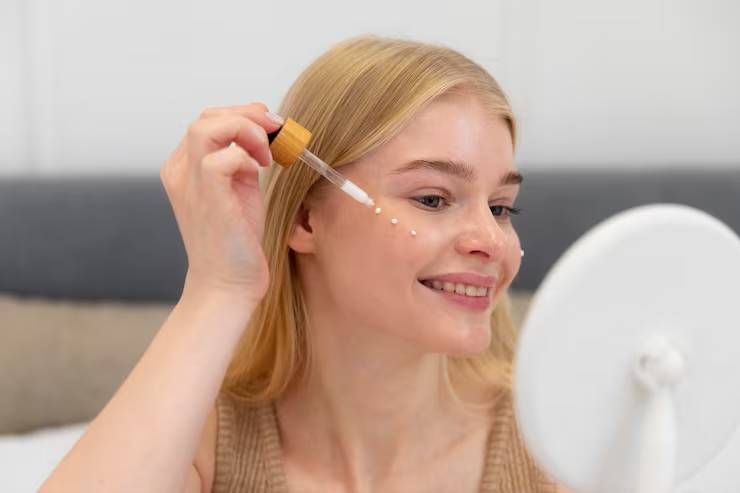
Understanding sunscreen technologies, SPF measurements, active ingredients, and application methods can help consumers make informed decisions. This guide explains the main categories of sunscreen, how UV protection works, common ingredients, product applications, and important factors to consider when selecting sunscreen for different skin needs.
Understanding Sunscreen and UV Protection
Sunscreen is a topical skin-care product formulated to reduce the effects of ultraviolet radiation on the skin. It contains UV filters that absorb, reflect, or scatter incoming radiation, depending on the ingredients and formulation.
Sunlight contains different types of ultraviolet radiation. The two categories most relevant to skin protection are UVA and UVB.
UVA Radiation
UVA radiation penetrates deeper into the skin than UVB radiation. It is associated with premature skin aging, including wrinkles, loss of elasticity, and changes in skin texture. UVA exposure can also contribute to pigmentation and other forms of skin damage.
UVA rays can pass through ordinary window glass, meaning that exposure may occur indoors near windows and while travelling in vehicles.
UVB Radiation
UVB radiation primarily affects the outer layers of the skin. It is a major cause of sunburn and contributes to DNA damage. UVB exposure also plays an important role in the development of skin cancer.
The intensity of UVB radiation changes according to the time of day, season, geographical location, altitude, and atmospheric conditions.
Broad-Spectrum Protection
Broad-spectrum sunscreen is designed to protect against both UVA and UVB radiation. SPF primarily measures protection against UVB-related sunburn under standardized testing conditions. It does not independently describe the full level of UVA protection.
Consumers should therefore examine both the SPF rating and the product's UVA protection information when choosing sunscreen.
Types of Sunscreen
Sunscreens are commonly classified according to their UV-filter ingredients, formulation, and intended use.
Mineral Sunscreen
Mineral sunscreen, also known as physical or inorganic sunscreen, generally uses zinc oxide, titanium dioxide, or a combination of these ingredients.
These mineral filters provide UV protection through a combination of absorption, reflection, and scattering. Modern formulations are designed to distribute the filters evenly across the skin while improving texture and appearance.
Common characteristics include:
Zinc oxide can provide broad-spectrum UVA and UVB protection.
Titanium dioxide primarily protects against UVB and parts of the UVA spectrum.
Mineral formulations are often selected for sensitive skin.
Some products may leave a visible white cast, particularly on deeper skin tones.
Tinted formulations may help reduce the appearance of white residue.
Mineral sunscreen is available in creams, lotions, sticks, and facial formulations.
Chemical or Organic Sunscreen
Chemical sunscreens use organic UV-filter ingredients that absorb ultraviolet radiation and convert the absorbed energy into less harmful forms.
Common filters include avobenzone, octocrylene, octisalate, homosalate, and octinoxate. Other filters, such as bemotrizinol and bisoctrizole, are used in certain markets, depending on local regulatory approvals.
These ingredients are often combined to create broad-spectrum formulations. Chemical sunscreen products are available in lightweight lotions, gels, fluids, and sprays.
Their formulation characteristics may include:
Lightweight textures suitable for daily facial use.
Easy spreading across larger skin areas.
Compatibility with some cosmetic and makeup formulations.
Different levels of water resistance, depending on the finished product.
The availability and permitted concentration of individual UV filters vary between countries and regulatory systems.
Hybrid Sunscreen
Hybrid sunscreen combines mineral and organic UV filters in one formulation. This approach allows manufacturers to balance protection, texture, stability, and cosmetic appearance.
Hybrid products may contain zinc oxide or titanium dioxide together with approved organic filters. Their performance depends on the complete formulation rather than the presence of any single ingredient.
Tinted Sunscreen
Tinted sunscreen contains pigments that provide visible color and help the product blend with different skin tones. Some formulations use iron oxides, which can also help reduce exposure to certain wavelengths of visible light.
Visible light may contribute to pigmentation in some individuals, particularly those prone to melasma or post-inflammatory hyperpigmentation. Tinted sunscreen containing suitable pigments may therefore be considered as part of a broader pigmentation-management routine.
Understanding SPF Ratings
SPF stands for Sun Protection Factor. It is a standardized measurement that primarily indicates how effectively a sunscreen protects against UVB-related skin redness under controlled testing conditions.
SPF ratings are commonly displayed as SPF 15, SPF 30, SPF 50, and SPF 50+.
SPF 15
SPF 15 provides a lower level of UVB protection compared with higher SPF products. It may appear in some daily skin-care formulations, but dermatology guidance commonly recommends broad-spectrum SPF 30 or higher for routine sun protection.
SPF 30
SPF 30 is widely used for everyday sun protection. Under laboratory testing conditions, it filters approximately 97% of UVB radiation when applied at the required amount.
SPF 50
SPF 50 provides a higher level of UVB protection, filtering approximately 98% under standardized testing conditions.
It may be suitable for people who spend significant time outdoors or need additional protection, although correct application and reapplication remain essential.
SPF 50+
Some regulatory systems use SPF 50+ to indicate protection above a defined threshold. The exact testing and labeling requirements depend on the market in which the product is sold.
SPF Comparison
| SPF Rating | Approximate UVB Radiation Filtered | General Protection Level |
|---|---|---|
| SPF 15 | 93% | Lower |
| SPF 30 | 97% | High |
| SPF 50 | 98% | Very high |
| SPF 50+ | Depends on tested rating and local standards | Very high |
These percentages assume correct application under standardized testing conditions. Real-world protection can be lower because people often apply less sunscreen than the amount used during testing.
SPF ratings should not be interpreted as the number of hours a product remains effective. A higher SPF does not eliminate the need for regular reapplication.
UV Protection Technologies Used in Sunscreen
Sunscreen manufacturers use several technologies to improve UV-filter performance, product stability, and application characteristics.
Photostable UV Filters
Photostability refers to an ingredient's ability to maintain its performance when exposed to light. Some UV filters can degrade or change after prolonged exposure to sunlight.
Formulation scientists may combine different filters and stabilizing ingredients to improve the stability of the finished product. For example, certain formulations use ingredients such as octocrylene to help stabilize avobenzone.
The effectiveness of a sunscreen depends on the complete formulation, testing, and regulatory compliance.
Encapsulation Technology
Encapsulation involves placing active ingredients inside protective structures or delivery systems. In sunscreen development, this approach may help improve ingredient stability, formulation compatibility, or skin feel.
Encapsulated UV filters are used in some specialized formulations. Their performance must be evaluated through appropriate testing rather than assumed from the technology alone.
Film-Forming Technology
Film-forming ingredients help sunscreen spread and create a more uniform layer on the skin. This layer is important because uneven application can leave areas with reduced protection.
Polymers, silicones, and other formulation ingredients may contribute to film formation, water resistance, and product durability.
Water-Resistant Formulations
Water-resistant sunscreen products are designed to maintain their tested protection during exposure to water for a specified period.
Depending on local regulations, labels may indicate water resistance for 40 or 80 minutes. These products are particularly relevant for swimming, exercise, and outdoor activities.
Water resistance does not mean waterproof protection. Sunscreen should be reapplied after swimming, sweating, towel drying, and according to the product instructions.
Nanotechnology in Mineral Sunscreen
Some mineral sunscreen formulations use zinc oxide or titanium dioxide particles with very small dimensions to improve transparency and reduce visible white residue.
These formulations may be described as using nano-sized mineral filters. Their safety assessment depends on particle characteristics, coating, formulation, and exposure route.
Regulatory requirements for nano-ingredients differ between countries. Consumers can consult product labeling and relevant regulatory information when evaluating these formulations.
Common Sunscreen Ingredients
Sunscreen formulations contain active UV filters and supporting ingredients that influence texture, stability, skin compatibility, and application.
Zinc Oxide
Zinc oxide is a mineral UV filter used in broad-spectrum sunscreen products. It can provide protection against UVA and UVB radiation.
It is commonly included in products designed for facial use, sensitive skin, and specialized skin-care applications. Formulations may use different particle sizes, coatings, and concentrations to influence product texture.
Titanium Dioxide
Titanium dioxide is another mineral UV filter. It is particularly effective against UVB and portions of the UVA spectrum.
It is often combined with zinc oxide or organic UV filters to provide broader protection.
Avobenzone
Avobenzone is an organic UV filter used primarily for UVA protection. It is commonly combined with other UV filters to create broad-spectrum sunscreen formulations.
Its stability in sunlight depends on the overall formulation and the stabilizing ingredients used.
Octocrylene
Octocrylene is an organic UV filter that provides UVB and some short-wavelength UVA protection. It is also used in certain formulations to support the photostability of other UV filters.
Octisalate and Homosalate
Octisalate and homosalate are organic filters primarily used for UVB protection. They may be combined with UVA filters to create a broad-spectrum product.
The permitted concentrations and use conditions vary according to regional regulations.
Antioxidants and Supporting Ingredients
Some sunscreen products also contain supporting skin-care ingredients, including:
Vitamin E, which functions as an antioxidant.
Niacinamide, which supports the skin barrier and helps improve uneven skin tone.
Glycerin, which attracts and retains moisture.
Hyaluronic acid, which helps maintain skin hydration.
Panthenol, which supports skin conditioning.
Silicones, which improve spreading and texture.
These ingredients can support the overall skin-care formulation, but they do not replace the UV protection provided by approved sunscreen filters.
Sunscreen Formulations and Product Categories
Sunscreen is available in different formats to suit skin types, application areas, and lifestyle requirements.
Sunscreen Creams
Cream-based sunscreens generally have a richer texture and are often selected for normal, dry, or mature skin. They may contain moisturizing ingredients that support skin hydration.
Sunscreen Lotions
Lotions have a lighter consistency than many creams and can be spread across larger areas of the body. They are commonly used for everyday facial and body protection.
Sunscreen Gels
Gel formulations often have a lightweight, non-greasy feel. They may be selected by people with oily or combination skin, although the suitability of a product depends on its full ingredient list.
Sunscreen Sprays
Spray sunscreen is designed for convenient application, particularly over larger body areas. Users should follow the label instructions carefully, apply enough product, and avoid inhaling the spray.
For aerosol products, application should take place in a well-ventilated area, away from the face. Sprays should not be used near flames or sources of ignition when the formulation is flammable.
Sunscreen Sticks
Sunscreen sticks are solid formulations that are convenient for targeted application. They may be used around the nose, ears, lips, and other small areas.
Several passes may be necessary to create an adequate layer, depending on the product instructions.
Sunscreen Fluids
Fluid sunscreens are lightweight formulations commonly designed for facial use. They may be suitable for layering under makeup and other skin-care products.
Some facial fluids are formulated with a matte finish, while others provide a more moisturizing or dewy appearance.
Sunscreen Applications for Different Skin Types
The most suitable sunscreen depends on individual skin characteristics, sensitivities, and environmental exposure.
Sunscreen for Oily Skin
People with oily skin may prefer lightweight fluids, gels, or non-greasy lotions. Products labeled non-comedogenic may be considered by individuals concerned about clogged pores, although no label guarantees that a product will be suitable for everyone.
Sunscreen for Dry Skin
Creams and moisturizing lotions may be more comfortable for dry skin. Ingredients such as glycerin, ceramides, and hyaluronic acid can help support skin hydration.
Sunscreen for Sensitive Skin
People with sensitive skin may consider mineral formulations containing zinc oxide or titanium dioxide. Fragrance-free products may also reduce the likelihood of irritation for some individuals.
A patch test can help identify potential reactions, although it cannot guarantee that irritation will not occur during regular use.
Sunscreen for Acne-Prone Skin
Lightweight, non-comedogenic formulations may be appropriate for acne-prone skin. Sunscreen should be selected according to skin tolerance, and products that cause persistent irritation or breakouts should be discussed with a dermatologist.
Sunscreen for Pigmentation-Prone Skin
People with melasma, dark spots, or post-inflammatory hyperpigmentation may benefit from broad-spectrum protection. Tinted products containing iron oxides may provide additional protection against certain visible-light wavelengths.
Sunscreen is one part of pigmentation management and does not independently treat every underlying cause.
Sunscreen for Children's Skin
Children need appropriate sun protection through clothing, shade, hats, and sunscreen. Product selection should follow age-specific recommendations and local medical guidance.
For infants younger than six months, parents should prioritize shade and protective clothing and consult a healthcare professional before applying sunscreen.
How to Apply Sunscreen Correctly
Correct application is essential for achieving the level of protection indicated by the SPF rating.
Apply an Adequate Amount
Sunscreen should be applied generously to all exposed skin. For adults, a commonly used guideline is approximately one ounce, or enough to fill a shot glass, for the exposed body of an average adult wearing a swimsuit.
For the face and neck, a practical amount is often described using the two-finger method, although the amount required can vary by product and facial size.
Apply Before Sun Exposure
Most sunscreen products should be applied approximately 15 minutes before going outdoors, unless the product label provides different instructions.
This allows the product to form an even layer before exposure.
Reapply Regularly
Sunscreen should generally be reapplied at least every two hours when outdoors. Reapplication is also important after swimming, sweating, or towel drying, even when the product is labeled water-resistant.
Cover All Exposed Areas
Commonly missed areas include the ears, back of the neck, hairline, tops of the feet, and the backs of the hands. Lip products with SPF can help protect the lips.
Combine Sunscreen With Other Protection
Sunscreen should be used alongside shade, protective clothing, sunglasses, and wide-brimmed hats. Avoiding intense midday sunlight can further reduce UV exposure.
Factors to Consider When Choosing Sunscreen
Selecting sunscreen involves more than comparing SPF numbers. Several product and personal factors should be considered.
Broad-spectrum protection: Choose a product labeled for UVA and UVB protection.
SPF rating: Broad-spectrum SPF 30 or higher is commonly recommended for routine outdoor protection.
Water resistance: Consider water-resistant formulations for swimming, exercise, or activities involving sweating.
Skin compatibility: Select a texture and ingredient profile that suits the individual's skin type and sensitivity.
Application area: Facial products may have different textures from body sunscreens. Specialized formulations may also be available for lips and sensitive areas.
Regulatory compliance: Check that the product is manufactured and marketed according to the sunscreen regulations applicable in the country where it is sold.
Expiration date and storage: Avoid using expired products. Follow storage instructions because excessive heat can affect product quality.
Sunscreen Manufacturing and Quality Control
Sunscreen manufacturing involves several stages, including ingredient selection, formulation development, production, stability assessment, and finished-product testing.
Manufacturers must ensure that UV filters are distributed evenly throughout the formulation. The product must also maintain appropriate physical and chemical properties during its intended shelf life.
Formulation Development
Formulation specialists select UV filters, emulsifiers, preservatives, moisturizers, film-forming agents, and other supporting ingredients. The combination must provide suitable product stability, skin feel, and application characteristics.
SPF and UVA Testing
Finished sunscreen products undergo testing to determine their protection characteristics. SPF testing evaluates protection against UVB-related redness, while separate methods assess UVA protection.
Testing requirements vary by regulatory market and product category.
Stability and Microbiological Testing
Stability testing examines whether a formulation maintains its quality under different storage conditions. Microbiological testing helps evaluate product safety and the effectiveness of the preservation system.
Packaging and Product Compatibility
Packaging must protect the formulation and maintain compatibility with its ingredients. Tubes, bottles, pumps, and spray containers are selected according to product viscosity, dispensing requirements, and stability considerations.
Frequently Asked Questions About Sunscreen
What is the difference between SPF 30 and SPF 50?
SPF 30 filters approximately 97% of UVB radiation under standardized testing, while SPF 50 filters approximately 98%. Both can provide substantial protection when applied correctly, but neither eliminates the need for reapplication.
Is mineral sunscreen better than chemical sunscreen?
Neither category is universally better. Mineral and organic sunscreens can both provide effective protection when properly formulated and tested. The choice depends on skin compatibility, texture preference, regulatory availability, and intended use.
Can sunscreen be used every day?
Yes. Daily sunscreen use is commonly recommended for exposed skin because UV radiation can reach the skin during ordinary outdoor activities and through windows in some circumstances.
Does a higher SPF mean sunscreen lasts longer?
No. SPF measures protection under standardized testing conditions, not the number of hours a product remains effective. Reapplication is necessary according to product instructions and exposure conditions.
Can sunscreen prevent pigmentation?
Sunscreen can help reduce UV-related pigmentation and prevent existing dark spots from becoming more pronounced. However, pigmentation may have multiple causes and may require additional treatment under dermatological guidance.
Conclusion
Sunscreen is a central component of skin protection, helping reduce exposure to UVA and UVB radiation. Available products include mineral, organic, and hybrid formulations, with different SPF ratings, textures, and water-resistance characteristics.
Modern sunscreen technologies focus on improving UV-filter stability, product texture, film formation, and suitability for different skin types. Ingredients such as zinc oxide, titanium dioxide, avobenzone, and octocrylene serve different functions within sunscreen formulations.
Choosing an appropriate sunscreen requires consideration of broad-spectrum protection, SPF rating, skin compatibility, intended application, and regulatory standards. Applying enough product and reapplying regularly are equally important. Combining sunscreen with shade, protective clothing, and other sun-safety measures provides a practical approach to maintaining skin health over time.
Disclaimer: The information provided in this article is for informational purposes only. We do not make any claims or guarantees regarding the accuracy, reliability, or completeness of the information presented. The content is not intended as professional advice and should not be relied upon as such. Readers are encouraged to conduct their own research and consult with appropriate professionals before making any decisions based on the information provided in this article.