
Water management has become one of the most important priorities for modern industries. As manufacturing activities expand and environmental regulations become more stringent, organizations are seeking advanced solutions to reduce wastewater discharge and improve water reuse. One of the most effective approaches is the implementation of Zero Liquid Discharge (ZLD) plants.
ZLD plants are designed to recover, recycle, and reuse water while minimizing liquid waste released into the environment. By combining multiple treatment technologies, these systems help industries improve water efficiency and support sustainable operations.
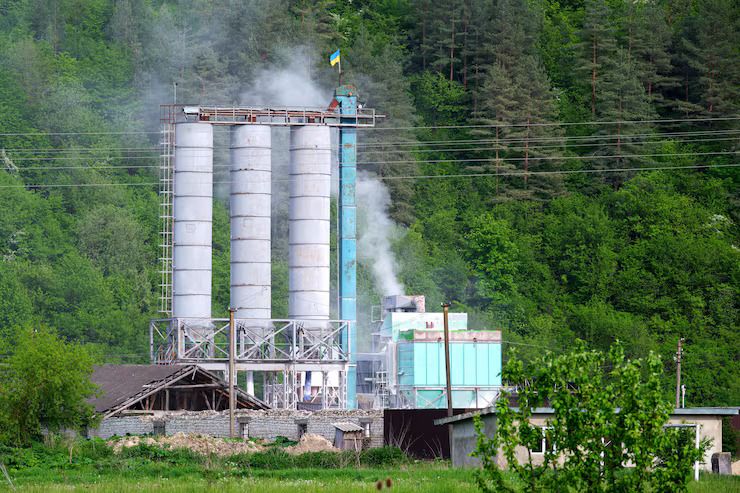
Today, ZLD technology is widely used in sectors such as power generation, chemical processing, pharmaceuticals, textiles, and mining, where effective wastewater management is critical.
What Are ZLD Plants?
Zero Liquid Discharge plants are advanced water treatment systems that aim to eliminate liquid wastewater discharge from industrial facilities. Instead of releasing treated wastewater, ZLD systems recover water for reuse and convert remaining contaminants into solid waste.
The primary objective of a ZLD plant is to maximize water recovery while minimizing environmental impact.
A typical ZLD system includes several treatment stages that work together to separate contaminants and recover usable water. The final result is a highly efficient water management process that supports both operational and environmental goals.
Why Zero Liquid Discharge Is Important
Industries generate large volumes of wastewater during manufacturing and processing operations. Traditional treatment methods may reduce pollutants, but they often still produce liquid effluent that requires disposal.
ZLD technology addresses this challenge by significantly reducing wastewater discharge while promoting water conservation.
Key benefits include:
- Increased water recovery
- Reduced environmental impact
- Improved resource utilization
- Enhanced regulatory compliance
As freshwater resources become increasingly valuable, ZLD systems are gaining importance across many industrial sectors.
How ZLD Plants Work
A Zero Liquid Discharge facility combines multiple treatment processes to recover water and separate dissolved solids.
The treatment sequence may vary depending on wastewater characteristics, but the overall objective remains the same: recover as much water as possible while minimizing waste.
Pre-Treatment Stage
The process begins with pre-treatment, where wastewater is prepared for further processing.
During this stage, suspended solids, oils, and other contaminants are removed to improve the efficiency of downstream treatment systems.
Pre-treatment helps protect equipment and ensures consistent plant performance.
Membrane Treatment
Membrane technologies play a major role in modern ZLD systems.
Processes such as reverse osmosis separate water from dissolved contaminants, allowing a significant portion of water to be recovered and reused.
These systems improve recovery efficiency while reducing the volume of wastewater requiring further treatment.
Evaporation Systems
After membrane treatment, concentrated wastewater is sent to evaporation units.
Evaporation systems use thermal energy to separate water from dissolved solids.
Recovered water can often be returned to industrial processes, while concentrated residues move to the next stage of treatment.
Crystallization Process
The final treatment stage typically involves crystallization.
This process converts remaining dissolved solids into solid materials that can be collected and managed appropriately.
At this point, the plant achieves its objective of eliminating liquid discharge.
Key Technologies Used in ZLD Plants
Modern ZLD facilities rely on a combination of advanced treatment technologies to maximize efficiency and water recovery.
Reverse Osmosis Systems
Reverse osmosis is one of the most widely used technologies in water treatment.
It uses specialized membranes to separate dissolved impurities from water, producing high-quality recovered water suitable for reuse.
Thermal Evaporators
Thermal evaporators concentrate wastewater by removing water through evaporation.
These systems are commonly used when wastewater contains high levels of dissolved solids that cannot be effectively treated through membrane technologies alone.
Crystallizers
Crystallizers convert concentrated wastewater into solid crystals by removing remaining moisture.
This stage helps achieve complete liquid elimination while producing manageable solid waste.
Advanced Monitoring Systems
Modern ZLD plants incorporate digital monitoring and automation technologies.
These systems continuously track operating conditions and help optimize treatment efficiency throughout the process.
Components of a Typical ZLD Plant
A Zero Liquid Discharge facility consists of several interconnected systems working together to achieve maximum water recovery.
Common components include:
- Equalization tanks
- Filtration systems
- Reverse osmosis units
- Evaporation equipment
- Crystallization systems
Each component performs a specific function within the overall treatment process.
Proper integration of these systems is essential for achieving efficient plant operation.
Industrial Applications of ZLD Plants
ZLD technology is used in a variety of industries where wastewater management is a critical operational requirement.
Power Generation Facilities
Power plants consume significant quantities of water during cooling and operational processes.
ZLD systems help recover water while reducing environmental discharge, making them valuable for modern power generation facilities.
Pharmaceutical Manufacturing
Pharmaceutical production often generates complex wastewater streams containing dissolved compounds and process residues.
Advanced ZLD treatment systems help manage these streams while supporting water recovery objectives.
Textile Industry
Textile manufacturing uses large volumes of water for dyeing, washing, and processing operations.
ZLD plants help textile facilities reduce water consumption and improve wastewater management practices.
Chemical Processing Plants
Chemical production facilities often generate wastewater containing high concentrations of dissolved solids.
Zero Liquid Discharge systems provide an effective solution for managing these challenging waste streams.
Mining and Metal Processing
Mining operations frequently require advanced water treatment systems to manage process water and wastewater.
ZLD technology helps improve water recovery and reduce environmental impact in these industries.
Benefits of ZLD Technology
The growing adoption of Zero Liquid Discharge systems is driven by several significant advantages.
Organizations implementing ZLD solutions may benefit from:
- Higher water reuse rates
- Reduced wastewater discharge
- Improved sustainability performance
- Enhanced operational efficiency
These benefits support both environmental and industrial objectives.
Challenges in ZLD Implementation
Although ZLD technology provides substantial advantages, implementation requires careful planning and system design.
Factors such as wastewater composition, treatment complexity, and operational requirements influence overall plant performance.
Industries must also ensure that treatment systems are properly maintained to achieve long-term efficiency and reliability.
With advancements in treatment technologies and automation, many of these challenges are becoming easier to address.
Future Trends in Zero Liquid Discharge Systems
The future of ZLD technology is being shaped by innovation in water treatment, automation, and sustainable manufacturing practices.
Emerging developments include improved membrane technologies, energy-efficient evaporation systems, and intelligent process control platforms.
Artificial intelligence and real-time monitoring solutions are also helping operators optimize performance and maximize water recovery.
As industries place greater emphasis on sustainability and resource conservation, ZLD systems are expected to play an increasingly important role in industrial water management strategies.
Conclusion
Zero Liquid Discharge plants represent one of the most advanced approaches to industrial wastewater management. By combining membrane treatment, evaporation technologies, and crystallization systems, ZLD facilities recover valuable water resources while minimizing environmental discharge.
From power generation and pharmaceuticals to textiles and mining, industries around the world are adopting ZLD technologies to improve water efficiency and support sustainable operations. As treatment technologies continue to evolve, Zero Liquid Discharge systems will remain a key solution for organizations seeking responsible and efficient water management practices.