
Industrial applications refer to the use of machinery, equipment, technologies, materials, and specialized processes to manufacture products, process raw materials, and perform large-scale operations. These applications are found across industries such as automotive manufacturing, food processing, pharmaceuticals, construction, chemicals, electronics, energy, and aerospace.
Industrial development began with mechanical production systems that gradually replaced many manual manufacturing activities. The introduction of steam-powered machinery, electrical systems, assembly lines, and computer-controlled equipment transformed industrial operations. Modern facilities now combine mechanical engineering, robotics, digital monitoring, and automated production technologies.
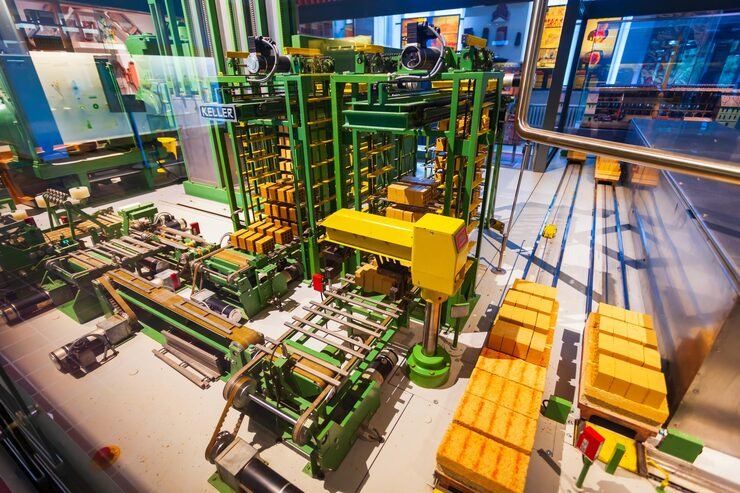
Today, industrial applications cover a wide range of activities, from operating heavy-duty machinery to managing complex manufacturing processes. Their purpose is to support consistent production, improve operational control, manage resources, and maintain product quality.
Why Industrial Applications Matter in Modern Manufacturing
Industrial applications influence how raw materials are processed, components are manufactured, and finished products reach different markets. Manufacturing companies depend on specialized equipment and production technologies to manage operational requirements and maintain consistent output.
These applications also address practical challenges such as equipment downtime, material handling, energy consumption, production accuracy, workplace safety, and quality management.
Major areas influenced by industrial technologies include:
Automotive Manufacturing: Industrial robots, welding systems, and automated assembly lines support vehicle production.
Food Processing: Processing machinery, packaging equipment, and temperature control systems support food manufacturing.
Pharmaceutical Production: Controlled environments, mixing equipment, and specialized processing systems support pharmaceutical operations.
Construction: Heavy machinery, material processing equipment, and industrial pumps support infrastructure development.
Energy Production: Turbines, generators, compressors, and control systems support power generation and energy distribution.
Electronics Manufacturing: Precision equipment and automated assembly systems support electronic component production.
Industrial technologies also affect supply chains, engineering operations, maintenance teams, equipment manufacturers, and businesses that depend on manufactured materials.
Major Types of Industrial Applications
Industrial applications can be classified according to their functions, production requirements, and the technologies used in different facilities.
Material Processing Applications
Material processing involves converting raw materials into usable industrial products or intermediate components. Common operations include cutting, grinding, mixing, heating, cooling, and chemical treatment.
Industries such as steel production, plastics manufacturing, mining, and chemical processing depend on specialized material processing equipment.
Industrial Automation Applications
Industrial automation uses control systems, sensors, programmable logic controllers (PLCs), and robotics to operate machinery and production processes.
Common applications include automated assembly lines, robotic welding, conveyor systems, packaging operations, and machine monitoring.
Industrial Heating and Cooling Applications
Heating and cooling technologies maintain specific temperature conditions during manufacturing and processing. Industrial boilers, chillers, heat exchangers, furnaces, and cooling towers are commonly used in these applications.
Fluid Handling and Pumping Applications
Industrial pumps, compressors, valves, and piping systems transport liquids and gases through manufacturing facilities. These systems are used in water treatment, oil and gas operations, chemical production, and food processing.
Packaging and Material Handling Applications
Packaging machinery and material handling systems move, organize, protect, and prepare products for storage or transportation. Examples include conveyor belts, palletizing robots, filling machines, and automated storage systems.
Industrial Technologies and Equipment Used in Manufacturing
Modern industrial facilities use different technologies depending on production requirements, material characteristics, and operating conditions.
Important equipment categories include:
CNC Machines: Computer numerical control machines perform precision cutting, drilling, milling, and shaping operations.
Industrial Robots: Robotic systems perform welding, assembly, painting, inspection, and material handling.
Hydraulic Systems: Hydraulic equipment uses pressurized fluids to generate mechanical force.
Pneumatic Systems: Compressed air powers actuators, tools, and automated machinery.
Industrial Compressors: These machines supply compressed air or gases for different production activities.
Heat Exchangers: Equipment designed to transfer heat between fluids in industrial processes.
Industrial Conveyors: Mechanical systems transport materials and products between production areas.
Process Control Systems: Sensors, controllers, and monitoring software regulate industrial operations.
Industrial Manufacturing Processes and Production Systems
Industrial manufacturing processes transform raw materials, components, and semi-finished products into finished goods. The selected process depends on the material, product design, production volume, and required quality standards.
Machining and Fabrication
Machining involves removing material from a workpiece to achieve a particular shape or dimension. CNC milling, turning, drilling, grinding, and laser cutting are common examples.
Fabrication includes activities such as welding, bending, sheet metal forming, and assembling structural components. These processes are widely used in automotive, construction, aerospace, and heavy engineering industries.
Casting and Molding
Casting involves pouring liquid material into a mold and allowing it to solidify into a specific shape. It is commonly used for producing metal components, engine parts, and industrial machine housings.
Injection molding is another widely used process, particularly in plastic manufacturing. It involves injecting molten plastic into a mold to produce components with defined shapes and dimensions.
Assembly and Production Line Operations
Assembly processes combine individual components into complete products. Automated assembly lines use conveyors, robotic arms, sensors, and programmable control systems to coordinate production activities.
These systems are common in electronics, automotive manufacturing, consumer appliances, and industrial machinery production.
Quality Inspection and Testing
Quality inspection verifies whether manufactured products meet established specifications. Industrial facilities use measuring instruments, machine vision systems, testing equipment, and automated inspection technologies.
Common inspection methods include dimensional measurement, material testing, pressure testing, and non-destructive testing.
Global Industrial Manufacturers and Equipment Suppliers
The global industrial sector includes companies that develop machinery, automation systems, electrical equipment, engineering technologies, and manufacturing components.
Some internationally recognized industrial manufacturers include:
Siemens: Develops industrial automation, digital manufacturing, electrical systems, and control technologies.
ABB: Operates in industrial robotics, electrification, motion systems, and automation.
Schneider Electric: Focuses on industrial automation, energy management, and electrical distribution technologies.
Rockwell Automation: Provides industrial control systems, manufacturing software, and automation technologies.
Bosch Rexroth: Develops hydraulic, electric drive, and industrial automation systems.
Mitsubishi Electric: Manufactures factory automation equipment, industrial control products, and electrical systems.
Honeywell: Operates across industrial automation, process control, sensing, and building technologies.
Caterpillar: Manufactures heavy machinery and equipment used in construction, mining, and industrial applications.
The wider industrial supply chain also includes manufacturers of industrial pumps, compressors, motors, valves, bearings, conveyors, sensors, machine tools, and material handling equipment.
Industrial Regulations and Government Initiatives in India
Industrial operations in India are influenced by regulations covering workplace safety, environmental protection, machinery operation, electrical installations, and product quality.
The Ministry of Labour and Employment oversees important labour and workplace safety frameworks. Environmental requirements are administered through the Ministry of Environment, Forest and Climate Change, along with the Central Pollution Control Board (CPCB) and State Pollution Control Boards.
The Bureau of Indian Standards (BIS) develops Indian Standards for various industrial products, materials, equipment, and manufacturing activities.
Several government initiatives also influence industrial development:
Make in India: Supports domestic manufacturing and industrial development.
Production Linked Incentive (PLI) Schemes: Encourage manufacturing activity in selected industrial sectors.
National Manufacturing Mission: Supports India's broader manufacturing development objectives.
PM Gati Shakti: Supports coordinated infrastructure planning and logistics development.
Industrial facilities must follow the specific regulatory requirements applicable to their industry, location, equipment, and manufacturing activities.
Recent Developments in Industrial Applications, 2024–2026
Industrial applications are increasingly influenced by digital transformation, artificial intelligence, robotics, and sustainable manufacturing technologies.
Artificial Intelligence in Manufacturing: AI-based systems are being explored for production planning, defect detection, process monitoring, and equipment maintenance.
Digital Twin Technology: Digital twins create virtual representations of physical equipment or production systems. They help engineers examine operating conditions, simulate changes, and study equipment performance.
Industrial Internet of Things (IIoT): Connected sensors and industrial devices collect operational data that can support equipment monitoring and production analysis.
Advanced Robotics: Collaborative robots and intelligent robotic systems are being integrated into assembly, inspection, packaging, and material handling activities.
Sustainable Manufacturing: Industrial facilities are increasingly examining energy efficiency, waste reduction, renewable energy integration, and resource management.
These developments are contributing to the transition toward connected and data-driven industrial operations.
Industrial Tools, Software, and Engineering Platforms
Industrial engineering teams use specialized software and digital tools to plan production, design machinery, monitor equipment, and manage manufacturing operations.
Some commonly used platforms include:
AutoCAD: Used for technical drawings, industrial layouts, and mechanical design.
SolidWorks: Supports 3D mechanical modeling, product design, and engineering simulations.
Autodesk Fusion: Provides tools for 3D design, engineering, and manufacturing workflows.
Siemens NX: Used for product engineering, simulation, and computer-aided manufacturing.
MATLAB: Supports mathematical modeling, engineering calculations, and industrial data analysis.
SAP ERP: Helps organizations manage manufacturing planning, inventory, procurement, and business operations.
AVEVA: Provides industrial engineering, process simulation, and operational management software.
These platforms support different stages of industrial operations, from initial engineering design to production monitoring and equipment management.
Frequently Asked Questions About Industrial Applications
1. What are the main types of industrial applications?
Major categories include material processing, industrial automation, heating and cooling, fluid handling, packaging, material handling, and manufacturing operations.
2. What equipment is commonly used in industrial manufacturing?
Common equipment includes CNC machines, industrial robots, hydraulic systems, compressors, pumps, conveyors, heat exchangers, and automated production machinery.
3. How does industrial automation improve manufacturing processes?
Industrial automation uses sensors, robotics, PLCs, and control software to coordinate production activities, monitor machinery, and maintain consistent operating conditions.
4. Who are the major global industrial manufacturers?
Some internationally recognized manufacturers include Siemens, ABB, Schneider Electric, Rockwell Automation, Bosch Rexroth, Mitsubishi Electric, Honeywell, and Caterpillar.
5. What technologies are used in modern industrial applications?
Modern industrial applications use artificial intelligence, machine learning, industrial IoT, robotics, digital twins, CNC machining, cloud computing, and automated control systems.
Conclusion
Industrial applications form an important part of modern manufacturing, infrastructure, energy, and industrial production. Different industries depend on specialized machinery, manufacturing processes, automation technologies, and engineering systems to meet their operational requirements. Digital technologies, robotics, and artificial intelligence are changing how industrial facilities monitor and manage production. Understanding these applications provides useful knowledge about the technologies and equipment supporting the global industrial sector.