Water tube boilers are high-pressure steam generation systems in which water flows inside tubes while hot combustion gases circulate outside the tubes. This design allows efficient heat transfer and rapid steam production, making water tube boilers widely used in power plants, refineries, and large industrial facilities.
Unlike fire tube boilers—where hot gases pass through tubes surrounded by water—water tube boilers reverse the arrangement. The water-filled tubes are exposed directly to furnace heat, enabling higher operating pressures and improved thermal efficiency.
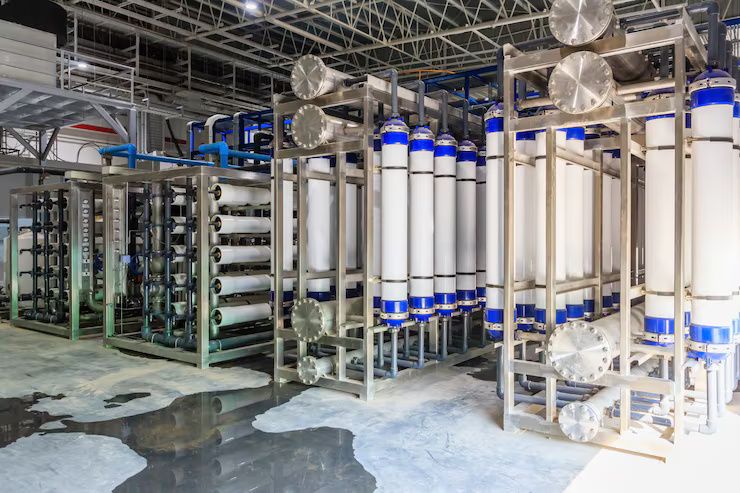
With increasing industrial energy demands, water tube boiler systems have become essential for reliable steam generation, process heating, and electricity production.
Importance: Why Water Tube Boilers Matter
Water tube boilers play a critical role in industries requiring high-capacity steam output and pressure control.
1. High-Pressure Steam Generation
Capable of operating at very high pressures suitable for power generation.
2. Faster Steam Production
Smaller water content enables quicker heat-up time.
3. Improved Thermal Efficiency
Enhanced heat transfer design reduces energy loss.
4. Industrial-Scale Output
Supports continuous large-volume steam demand.
5. Operational Safety
Lower risk of catastrophic failure compared to large water-volume systems.
These boilers are widely used in thermal power stations, chemical processing plants, petrochemical facilities, and manufacturing units.
Working Principle of Water Tube Boilers
The operation of a water tube boiler is based on efficient heat exchange between combustion gases and water-filled tubes.
1. Fuel Combustion
Fuel is burned in the furnace to produce high-temperature gases.
2. Heat Transfer to Tubes
Hot gases pass over water-filled tubes, transferring heat.
3. Water Circulation
Water circulates through tubes due to natural or forced circulation.
4. Steam Formation
Heated water converts into steam inside the tubes.
5. Steam Separation
Steam is collected in the steam drum.
6. Superheating (Optional)
Steam may pass through a superheater to increase temperature.
7. Steam Distribution
High-pressure steam is directed to turbines or industrial processes.
This design enables rapid heat absorption and efficient steam generation under high-pressure conditions.
Design Components of Water Tube Boilers
Water tube boiler design includes several critical structural and functional components.
1. Steam Drum
Separates steam from water and stores generated steam.
2. Water Tubes
Carry water and steam mixtures through the heating zone.
3. Furnace Chamber
Area where fuel combustion takes place.
4. Superheater
Increases steam temperature beyond saturation point.
5. Economizer
Preheats feedwater using exhaust gases.
6. Air Preheater
Improves combustion efficiency by heating incoming air.
7. Feedwater Pump
Supplies water into the boiler system.
8. Circulation System
Ensures continuous water movement inside tubes.
Types of Water Tube Boilers
Different configurations are used depending on industrial needs.
1. Babcock and Wilcox Boiler
Horizontal drum design widely used in power plants.
2. Stirling Boiler
Multiple drum configuration for high-capacity steam generation.
3. Benson Boiler
Operates without a steam drum at supercritical pressure.
4. LaMont Boiler
Uses forced circulation for improved efficiency.
5. Loeffler Boiler
Prevents tube overheating using superheated steam circulation.
6. Once-Through Boiler
Generates steam in a single pass without recirculation.
Water Tube Boiler Components and Functions
| Component | Primary Function | System Role |
|---|---|---|
| Steam Drum | Steam separation | Pressure control |
| Water Tubes | Heat absorption | Steam generation |
| Superheater | Steam temperature increase | Efficiency enhancement |
| Economizer | Feedwater preheating | Fuel savings |
| Furnace | Fuel combustion | Heat source |
Industrial Applications of Water Tube Boilers
Water tube boilers are widely deployed in high-demand industries.
1. Thermal Power Plants
Generate steam for turbine-driven electricity production.
2. Oil and Gas Refineries
Provide process heating and steam cracking operations.
3. Chemical Manufacturing
Support high-temperature industrial reactions.
4. Steel and Metallurgy Plants
Supply heat for metal processing operations.
5. Food Processing Industry
Provide sterilization and cooking steam.
6. Pulp and Paper Industry
Support drying and chemical treatment processes.
Materials Used in Water Tube Boilers
Material strength and thermal resistance are essential.
1. High-Grade Alloy Steel
Withstands high temperature and pressure.
2. Carbon Steel Tubes
Used in moderate-pressure systems.
3. Refractory Materials
Line furnace walls to retain heat.
4. Insulation Materials
Reduce external heat loss.
5. Heat-Resistant Coatings
Protect metal surfaces from corrosion.
Benefits of Water Tube Boilers
Water tube systems offer performance advantages in industrial settings.
1. High Operating Pressure Capability
Suitable for power generation applications.
2. Greater Efficiency
Improved heat transfer design.
3. Rapid Steam Production
Responds quickly to load changes.
4. Compact Design for Large Output
Generates high steam volume in limited space.
5. Enhanced Safety
Smaller water content reduces explosion risk.
Challenges & Considerations
Operational management requires careful monitoring.
1. Complex Design
Requires skilled engineering and installation.
2. Higher Initial Setup Cost
Advanced materials increase investment requirements.
3. Maintenance Requirements
Regular inspection of tubes is necessary.
4. Water Quality Control
Poor feedwater can cause scaling and corrosion.
5. Skilled Operation Needed
High-pressure systems require trained operators.
Maintenance & Best Practices
Routine inspection ensures long-term reliability.
1. Regular Tube Inspection
Detects corrosion and scaling.
2. Water Treatment Monitoring
Prevents mineral deposits.
3. Safety Valve Testing
Ensures pressure control functionality.
4. Burner Maintenance
Maintains combustion efficiency.
5. Scheduled Shutdown Inspection
Allows internal component evaluation.
Frequently Asked Questions
What is a water tube boiler?
It is a steam boiler where water flows inside tubes and hot gases pass outside them.
Why are water tube boilers used in power plants?
They can operate at high pressures and generate large volumes of steam efficiently.
How is water circulation maintained?
Through natural circulation or forced circulation systems.
Are water tube boilers safer than fire tube boilers?
They generally carry lower explosion risk due to reduced water volume.
What industries commonly use water tube boilers?
Power generation, oil refining, chemical processing, steel manufacturing, and heavy industries.
Conclusion
Water tube boilers are advanced steam generation systems designed for high-pressure, high-capacity industrial applications. Their efficient heat transfer design, rapid steam production capability, and enhanced safety features make them essential in power plants and heavy industries.
As industrial energy requirements continue to expand, water tube boilers remain a critical component of modern thermal and process engineering systems.