Construction cranes are specialized lifting machines designed to move heavy materials, structural components, machinery, and equipment vertically and horizontally across construction sites. They play an essential role in residential, commercial, industrial, and infrastructure projects by enabling the safe handling of loads that cannot be moved manually or by conventional equipment.
Modern construction cranes combine advanced lifting technologies, hydraulic systems, electric drives, digital control systems, load monitoring sensors, and automated safety features. These technologies improve lifting precision, operational efficiency, and site coordination while supporting projects such as high-rise buildings, bridges, ports, power plants, manufacturing facilities, and transportation infrastructure.
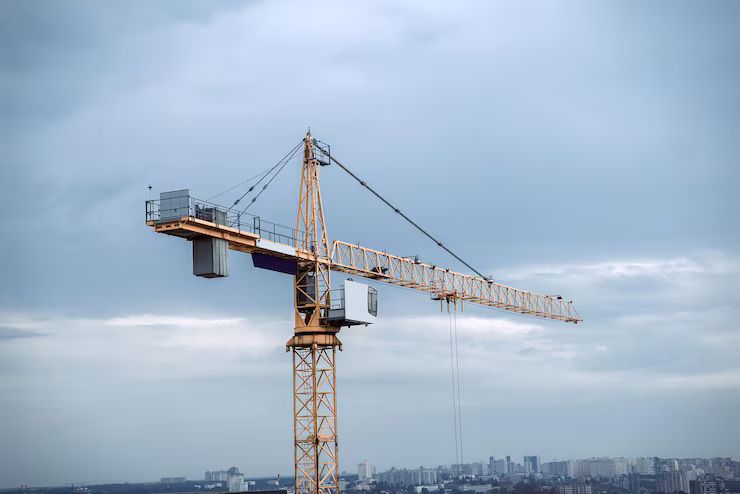
As construction projects become larger and more complex, cranes continue evolving through automation, remote monitoring, artificial intelligence, and smart fleet management technologies.
Context
What Are Construction Cranes?
Construction cranes are heavy equipment designed to lift, lower, and transport heavy loads using wire ropes, hydraulic systems, telescopic booms, lattice booms, or tower structures. Their primary function is to move materials safely across construction sites where traditional transportation methods are not practical.
Construction cranes commonly handle:
- Structural steel
- Concrete panels
- Precast components
- Building materials
- Heavy machinery
- Containers
- Industrial equipment
- HVAC systems
- Bridge sections
- Wind turbine components
Different crane designs are developed to suit varying lifting heights, load capacities, and site conditions.
How Construction Cranes Work
Modern crane operations follow a coordinated lifting process.
A typical lifting sequence includes:
- The load is attached using approved lifting accessories.
- The crane operator verifies load information.
- Load monitoring systems calculate safe lifting conditions.
- The boom positions the load.
- Hoisting equipment raises or lowers the material.
- Slewing and trolley mechanisms move the load.
- The material is positioned at the required location.
Digital monitoring systems continuously supervise crane performance during lifting operations.
Main Components of Construction Cranes
Most construction cranes include:
- Boom or jib
- Hoist mechanism
- Wire rope
- Hook block
- Counterweights
- Mast or tower
- Hydraulic cylinders
- Electric motors
- Operator cabin
- Load monitoring system
- Slewing mechanism
- Outriggers (for mobile cranes)
- Safety control systems
Each component contributes to lifting stability, precision, and operational safety.
Types of Construction Cranes
| Crane Type | Primary Function | Typical Applications |
|---|---|---|
| Tower Crane | High-rise construction | Commercial buildings |
| Mobile Crane | Flexible lifting | General construction |
| Crawler Crane | Heavy lifting on uneven ground | Infrastructure projects |
| Rough Terrain Crane | Off-road lifting | Industrial construction |
| Truck-Mounted Crane | Road transport and lifting | Utility and maintenance projects |
| Overhead Crane | Indoor material handling | Manufacturing facilities |
| Gantry Crane | Heavy outdoor lifting | Shipyards and ports |
| Floating Crane | Marine lifting | Bridge and offshore construction |
Each crane type is selected according to lifting requirements, project size, available space, and ground conditions.
Importance
Why Construction Cranes Matter
Modern construction projects involve heavy structural components that require accurate positioning. Construction cranes enable safe and efficient lifting while reducing manual handling and improving project coordination.
They also support faster assembly of buildings, bridges, industrial facilities, and infrastructure projects.
Lifting Technologies
Modern cranes use various lifting technologies to improve operational efficiency.
Common technologies include:
- Hydraulic lifting systems
- Electric hoisting systems
- Variable frequency drives
- Load moment indicators
- Anti-sway technology
- Boom angle monitoring
- Telescopic boom systems
- Automatic overload protection
These technologies support controlled and accurate lifting operations.
Heavy Equipment Integration
Construction cranes often work alongside other heavy equipment such as:
- Excavators
- Concrete pumps
- Bulldozers
- Wheel loaders
- Forklifts
- Telehandlers
- Dump trucks
- Material handling systems
Coordinated equipment operation improves construction workflow and material movement.
Role of Crane Suppliers
Construction equipment suppliers provide cranes suitable for different industries, lifting capacities, and project environments.
Their product portfolios commonly include:
- Tower cranes
- Mobile cranes
- Crawler cranes
- Rough terrain cranes
- Truck-mounted cranes
- Gantry cranes
- Overhead cranes
- Lifting accessories
- Replacement components
- Digital monitoring systems
Technical documentation generally includes lifting capacity, boom length, working radius, operating limits, maintenance guidance, and safety specifications.
Construction Applications
Construction cranes support a wide variety of industries.
Commercial Buildings: Tower cranes lift structural steel, concrete elements, glass panels, and mechanical equipment during high-rise construction.
Industrial Facilities: Manufacturing plants, warehouses, and processing facilities use cranes for structural assembly and equipment installation.
Bridge Construction: Large bridge sections, girders, and precast concrete components are positioned using heavy lifting cranes.
Power Generation: Cranes install turbines, transformers, generators, cooling equipment, and steel structures in energy facilities.
Renewable Energy: Wind turbine towers, nacelles, blades, and solar infrastructure require specialized lifting equipment.
Ports and Marine Projects: Gantry and floating cranes move containers, marine equipment, and bridge components during harbor construction.
Recent Updates
Smart Crane Technologies
Between 2024 and 2026, construction cranes have increasingly incorporated digital technologies that improve operational visibility and equipment management.
Modern systems support:
- Real-time load monitoring
- GPS positioning
- Fleet management
- Remote diagnostics
- Digital maintenance records
These technologies assist project planning and equipment monitoring.
Artificial Intelligence Integration
Artificial intelligence is gradually supporting crane operations through:
- Predictive maintenance
- Lift planning analysis
- Equipment utilization monitoring
- Operational trend analysis
- Safety event evaluation
Human operators continue managing crane movements and lifting activities.
Remote Monitoring Systems
Cloud-connected platforms now allow construction managers to monitor:
- Crane utilization
- Fuel or energy consumption
- Operating hours
- Maintenance schedules
- Equipment performance
These systems improve fleet management across multiple construction sites.
Electric and Hybrid Cranes
Manufacturers continue developing electric and hybrid crane technologies to support reduced emissions, quieter operation, and improved energy efficiency on construction sites.
Advanced Safety Features
Recent crane developments include:
- Collision avoidance systems
- Wind speed monitoring
- Camera-assisted visibility
- Automatic overload protection
- Digital stability monitoring
These technologies assist safe lifting operations under varying site conditions.
Laws or Policies
Construction Equipment Regulations
Construction cranes generally operate under national regulations covering:
- Equipment inspection
- Operator qualification
- Maintenance procedures
- Load testing
- Safe operating practices
Requirements differ between countries and project types.
Occupational Safety Requirements
Construction sites commonly establish safety procedures covering:
- Lifting plans
- Exclusion zones
- Personal protective equipment
- Communication protocols
- Emergency procedures
These measures support safe crane operation.
Equipment Inspection Standards
Routine inspections often include:
- Wire rope examination
- Hook inspection
- Hydraulic system evaluation
- Structural inspection
- Brake testing
- Load monitoring verification
Inspection frequency depends on applicable regulations and operating conditions.
Quality Management Systems
Construction equipment manufacturers commonly implement quality management systems that include:
- Material inspection
- Production testing
- Equipment calibration
- Manufacturing documentation
- Product traceability
These procedures support consistent manufacturing quality.
Tools and Resources
Crane Planning Software
Engineering software assists with:
- Lift planning
- Load calculations
- Crane selection
- Radius evaluation
- Site layout planning
Fleet Management Platforms
Digital fleet management systems monitor:
- Equipment location
- Utilization
- Maintenance schedules
- Operating hours
- Inspection history
Load Monitoring Systems
Modern cranes use digital systems that measure:
- Load weight
- Boom angle
- Working radius
- Stability conditions
- Operating limits
These systems assist operators during lifting activities.
Maintenance Management Software
Maintenance platforms organize:
- Equipment inspections
- Spare parts records
- Maintenance history
- Service intervals
- Asset documentation
Educational Resources
People interested in construction cranes can learn from:
- Construction engineering organizations
- Lifting equipment associations
- Heavy equipment publications
- Occupational safety resources
- Infrastructure engineering institutions
- Technical education platforms
These resources explain crane types, lifting technologies, heavy equipment, suppliers, and construction applications.
FAQs
What are construction cranes used for?
Construction cranes are used to lift, lower, and move heavy materials, structural components, machinery, and equipment during residential, commercial, industrial, and infrastructure projects.
What are the main types of construction cranes?
Common crane types include tower cranes, mobile cranes, crawler cranes, truck-mounted cranes, rough terrain cranes, gantry cranes, overhead cranes, and floating cranes.
What lifting technologies are used in modern construction cranes?
Modern cranes commonly use hydraulic systems, electric hoists, load monitoring systems, anti-sway technology, telescopic booms, variable frequency drives, and digital safety controls.
What industries use construction cranes?
Construction cranes are widely used in commercial construction, industrial manufacturing, infrastructure development, renewable energy, power generation, ports, shipyards, mining, and transportation projects.
Why are crane suppliers important for construction projects?
Crane suppliers provide lifting equipment, replacement components, lifting accessories, monitoring technologies, technical documentation, and maintenance guidance suitable for different construction environments.
Conclusion
Construction cranes are among the most important heavy equipment used in modern construction, enabling the safe and efficient movement of materials across projects of every scale. Continuous advancements in lifting technologies, digital monitoring systems, automation, and intelligent safety features have improved operational performance while supporting increasingly complex construction activities. As infrastructure development continues worldwide, construction cranes remain essential equipment for commercial, industrial, energy, and transportation projects.